
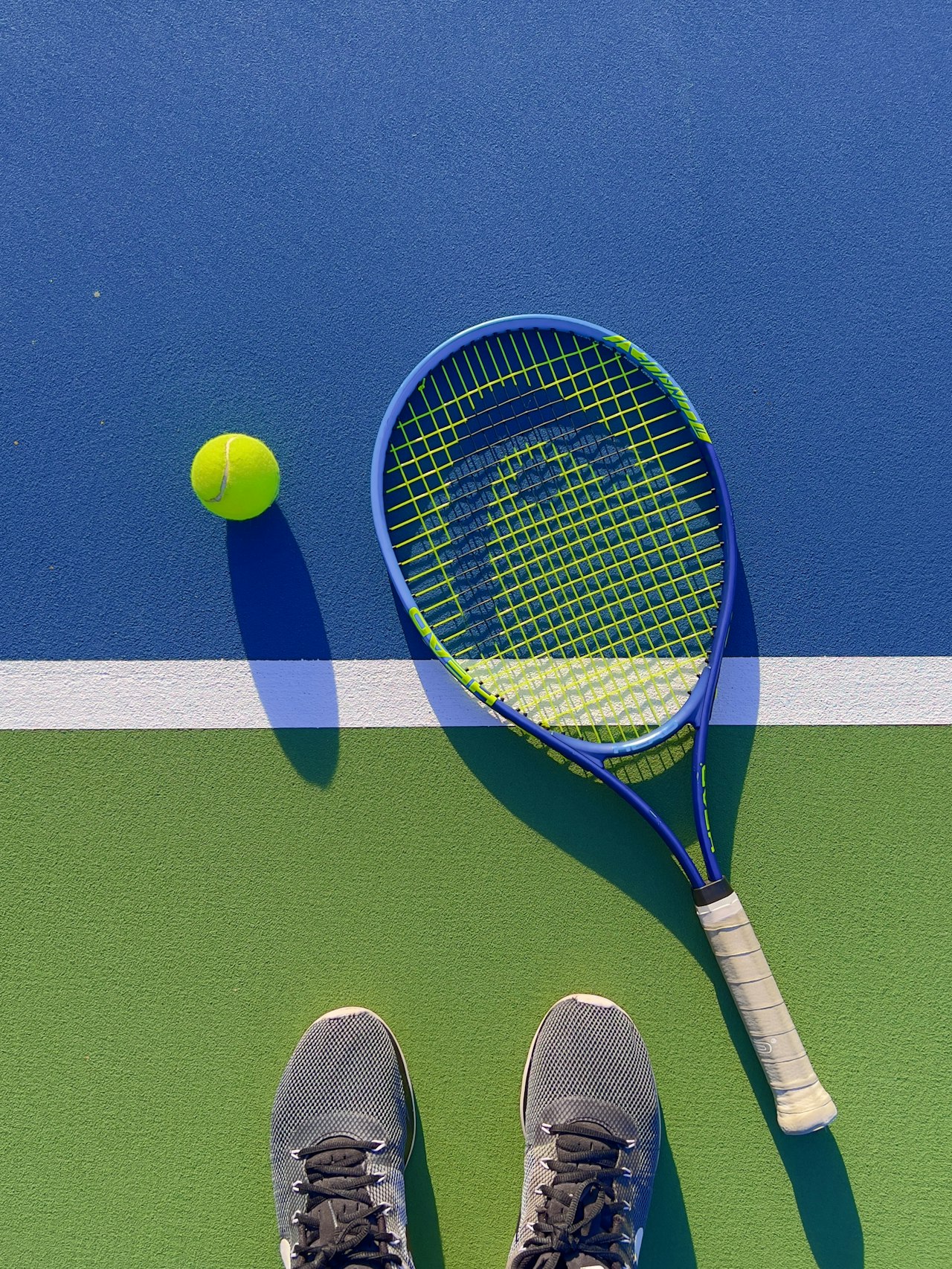
If you have watched a junior tennis session, you have probably noticed the colored balls and wondered what they mean. Red, orange, green and yellow are not just decoration. They describe a step-by-step path that lets children learn the game with equipment and court sizes that fit their bodies, so they enjoy success early instead of struggling with a ball that is too fast and too bouncy.
This guide explains how the stages work, what children typically learn at each one, and how parents can tell when a child is ready for the next step.
Why colored balls exist
A standard adult ball bounces high and travels quickly, which is hard for a small child to control. Lower-pressure balls bounce lower and move more slowly, giving young players more time to prepare, swing and make contact. Combined with smaller courts and lighter rackets, they allow children to rally within their first sessions. Early success matters because it keeps children excited, and excited children practice more.
The colors work as a ladder. A child moves up when the skills at the current stage feel comfortable, not because of a birthday alone. That is why age ranges are guidelines rather than strict rules.
Red ball: the first introduction
Red ball is designed for the youngest players, typically ages 3 to 5 in many programs. The focus is not technique but movement, balance and enjoyment. Sessions look like organized play, with games that build coordination, throwing and catching, and the first simple swings.
At this stage, a coach is watching for comfort around the racket and ball, willingness to follow simple instructions, and the ability to track a slow-moving ball. Parents should not worry about perfect strokes. If a child leaves smiling and asking to come back, the stage is working.
Orange ball: building real rallies
Orange ball usually suits children around 6 to 8. They start to hit with more consistency, learn basic grips, and begin to rally with a coach or a partner across a larger court. Scoring is introduced in a simple, game-based way, which teaches children about turn-taking and fair play.
Good signs of readiness for the next step include keeping the ball in play for several hits in a row, moving to the ball instead of waiting for it, and showing patience between points. Many parents find this is the stage where tennis becomes something their child talks about at home.
Green ball: stepping toward the full game
Green ball is commonly used for ages 9 to 12. The court gets larger, the ball becomes livelier, and children learn proper technique for groundstrokes, volleys and the serve. Footwork, spacing and shot selection start to matter, and players begin to understand patterns in a point.
This is also the stage where match play often begins in a friendly format. Children learn to handle winning and losing, to call lines honestly, and to stay focused during longer points. Programs that offer junior tennis lessons in Glendale often use this stage to build the habits that carry players into competitive tennis, such as consistent practice routines and a positive attitude after mistakes.
Yellow ball: the full-size game
Yellow ball, usually for ages 13 to 17, is the standard ball on a full-size court. Teenagers focus on power, spin, tactics and fitness, and many begin to think about school teams, tournaments or simply a lifelong sport for recreation. Coaching becomes more detailed, with attention to serve placement, return positioning and mental skills under pressure.
Not every teenager wants to compete, and that is perfectly fine. Plenty of players at this stage enjoy tennis for fitness, friendships and stress relief. A good program offers both competitive and recreational paths.
How to know when your child should move up
Instead of watching the calendar, watch the court. A child is usually ready to move up when they can rally comfortably at the current stage, show control over direction and depth, and look slightly under-challenged during drills. Moving too early can cause frustration, while waiting too long can cause boredom. Ask the coach for an honest assessment, since an experienced eye can spot readiness before parents do.
Choosing the right coach and program
The stage system works best when the coaching is patient, positive and clear. Look for instructors who explain what they are teaching and why, who give every child attention within a group, and who communicate progress to parents. It helps when families can meet and learn about experienced junior coaches before enrolling, because the relationship between coach and child shapes how much the child enjoys the sport.
How parents can support progress
Parents play a bigger role than they realize. Arrive on time, keep water and snacks ready, and praise effort rather than results. Avoid coaching from the sideline, since mixed messages confuse children. Let the coach handle technique while you focus on encouragement. Attend a session now and then, ask your child what they enjoyed, and celebrate small wins like a longer rally or a first successful serve.
Practice outside the lesson
Short, playful practice at home or at a park court helps a lot. Ten minutes of tossing and catching, bouncing a ball on the racket, or hitting against a wall builds touch and confidence. Keep it light. If tennis starts to feel like homework, interest fades quickly.
Final thoughts
The colored ball system is a simple idea with a big payoff. It lets children grow into the game at a natural pace, protects their enthusiasm, and builds real skills one step at a time. Whether your child is just picking up a racket or heading toward competition, understanding each stage helps you support them with patience and confidence. The goal is not speed, but a love of the game that lasts for years.