
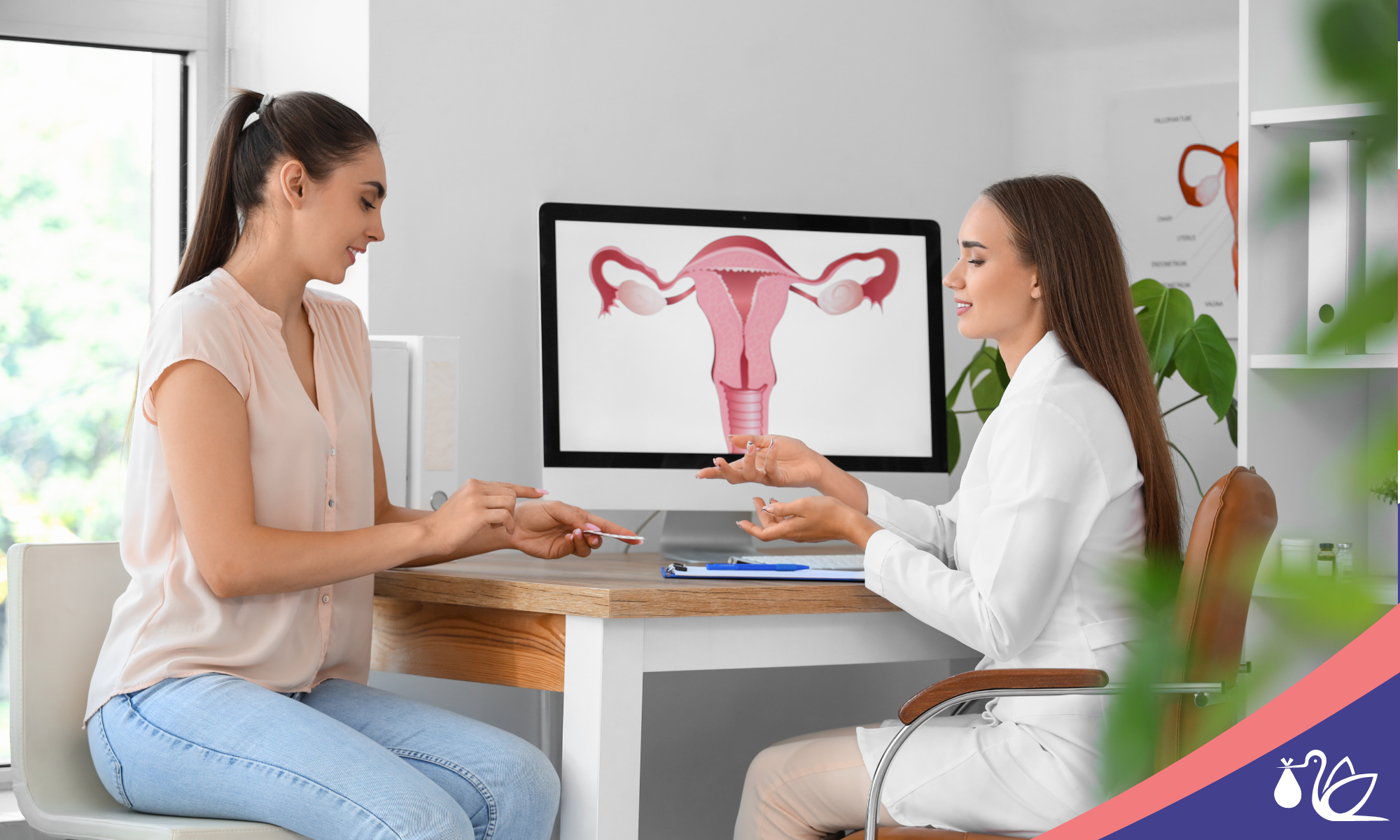
Understanding Diminished Ovarian Reserve
Ovarian reserve refers to the quantity and quality of eggs remaining in a woman's ovaries at any given time. All women experience a natural decline in ovarian reserve with age, but some individuals see this decline occur earlier or more rapidly than expected — a condition known as diminished ovarian reserve, or DOR.
DOR is diagnosed through a combination of blood tests and ultrasound examination. AMH (anti-Müllerian hormone) levels reflect the activity of developing follicles and correlate strongly with overall ovarian reserve. Antral follicle count (AFC), measured via transvaginal ultrasound, counts the number of small follicles visible at the start of a menstrual cycle. Both measures together provide a reliable picture of remaining reproductive potential. The fertility specialists at Hanabusa IVF conduct thorough evaluations to accurately diagnose DOR and design personalized treatment plans accordingly.
What Causes Diminished Ovarian Reserve?
Multiple factors can contribute to earlier or accelerated ovarian decline:
- Age — the most common cause; decline accelerates after the mid-30s
- Genetic factors — some women are born with a lower starting reserve; certain genetic conditions are associated with early reserve loss
- Previous ovarian surgery — procedures to remove cysts or endometriomas can inadvertently reduce functional ovarian tissue
- Chemotherapy or radiation — gonadotoxic treatments for cancer can significantly damage ovarian reserve
- Autoimmune conditions — antibodies affecting ovarian function in some patients
- Endometriosis — particularly severe or surgically treated endometriosis
- Idiopathic causes — no identified reason found after comprehensive evaluation
DOR and Fertility Treatment Options
A diagnosis of diminished ovarian reserve does not mean pregnancy is impossible — it means the window for achieving pregnancy may be shorter and that treatment selection is especially important. Several approaches can help patients with DOR pursue pregnancy:
IVF with customized stimulation: Many patients with DOR benefit from carefully designed, individualized ovarian stimulation protocols. In some cases, a lower-stimulation approach produces better-quality eggs than aggressive protocols. In others, specific medication combinations improve response. Protocol selection should be based on the individual's specific hormone profile, not generic algorithms.
IVF with preimplantation genetic testing (PGT-A): For patients producing a limited number of eggs and embryos, testing embryos for chromosomal normalcy before transfer improves the chance that the embryos transferred are viable. This can reduce wasted cycles from chromosomally abnormal transfers.
Egg donation: For patients whose ovarian reserve is severely diminished or who have not achieved success with own-egg IVF, donor eggs offer substantially higher success rates. An experienced fertility program can guide this conversation with honesty and compassion.
The Importance of Early Evaluation
DOR is sometimes diagnosed during a routine fertility evaluation before any symptoms are present. Other times, it is identified after unexpectedly poor response to IVF stimulation. Earlier diagnosis provides more options and more time to make informed decisions. Women with a family history of early menopause, prior ovarian surgery, or known risk factors benefit from proactive ovarian reserve testing even before actively trying to conceive.
For personalized guidance on DOR diagnosis, treatment options, and realistic expectations for your specific situation, connect with the care team at Hanabusa IVF.
Living with a DOR Diagnosis
Receiving a DOR diagnosis can be emotionally challenging. Understanding that options exist, and that outcomes vary significantly based on individual circumstances and protocol choices, matters. Partnering with a reproductive specialist who provides honest, individualized assessment rather than generalized statistics is the best foundation for navigating the path forward.