Your Complete Guide to ABA Therapy Clinics in North Carolina
What should you look for in an ABA therapy clinic in North Carolina?
When you search for an aba therapy clinic north carolina, you are not just choosing a medical service. You are choosing partners for your child’s future. The right clinic can support language, social skills, and independence in a structured and caring way.
Parents in North Carolina often feel overwhelmed by options, costs, and new terms like BCBA and RBT. This guide breaks it all down in clear, simple language. You will see what good ABA clinics offer, how early learning programs work, and what to ask before you enroll.
While this article focuses on NC families, many ideas are also useful for informed decision making in other regions, including Indian parents who may be exploring global care models and overseas therapy options.
What is ABA therapy and who does it help?
ABA stands for Applied Behavior Analysis. It is a science-based way of teaching skills through small steps, positive rewards, and careful tracking of progress. It is widely used to support children with autism spectrum disorder and related developmental needs.
In a behavior therapy clinic, your child might work on:
- Communication skills, such as asking for help or naming items
- Social skills, like taking turns and sharing
- Daily living skills, such as dressing, brushing teeth, or eating with a spoon
- Reducing challenging behaviors in a safe, respectful way
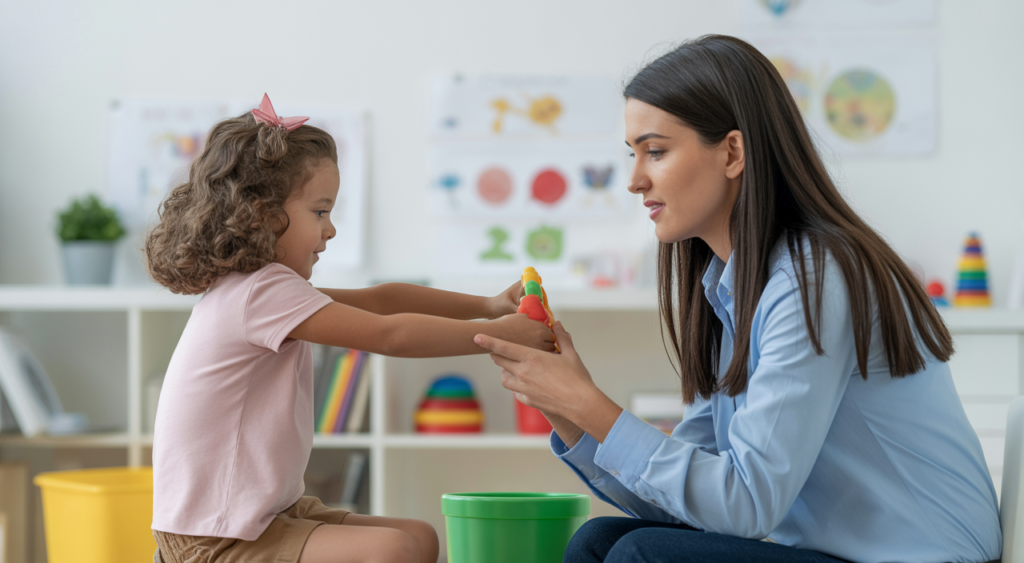
Sessions are usually one-on-one, guided by a treatment plan created by a Board Certified Behavior Analyst (BCBA). Trained therapists, often called Registered Behavior Technicians (RBTs), work with your child under BCBA supervision.
Overview of ABA clinic locations in North Carolina
North Carolina has a growing network of clinics that provide applied behavior analysis services in both cities and suburbs. When choosing a clinic, many families look at distance from home, traffic patterns, and how easy it is to fit sessions around work and school schedules.
Here is how clinics are often spread across the state:
Charlotte area
The Charlotte region usually offers multiple center-based ABA options, in-home therapy, and sometimes telehealth for parent coaching. If your child needs frequent sessions, a clinic close to home or work can save time and reduce stress.
Ask Charlotte clinics about:
- Wait-list length for assessments
- BCBA availability on-site each week
- Coordination with local schools for IEP support
Raleigh / Durham Triangle
In the Triangle, many families seek autism early intervention and toddler ABA programs. Some clinics focus on preschool readiness, while others support school-age children needing help with classroom behavior and homework routines.
Look for a clinic that offers clear progress reports you can share with teachers and other professionals supporting your child.
Asheville and Western NC
Western North Carolina is more spread out, so families sometimes mix center-based visits with telehealth parent training. This blended model can work well if you live outside city limits but still want structured support.
Check whether a clinic serving your area has outreach staff who travel or provides home sessions for part of the week.
Greensboro / Winston-Salem
In the Piedmont Triad, many behavior therapy clinics provide both after-school programs and daytime early learning sessions. This can be helpful if you have more than one child or a busy work schedule.
Ask if they offer group social skills classes so your child can practice conversation, sharing, and play with peers.
Coastal and Eastern NC
Families along the coast often rely on a mix of in-clinic and online ABA support. Telehealth ABA in North Carolina is becoming more common for parent coaching, especially when travel to a center takes over an hour.
When exploring coastal clinics, ask whether they offer flexible scheduling during tourist seasons and bad weather.
Spotlight on early learning ABA programs
Early learning ABA programs are usually built for children aged 2 to 5. The goal is to prepare your child for preschool and primary school by building core skills through play-based teaching.
Strong early learning autism programs often focus on:
- Listening and following simple instructions
- Imitation, such as copying sounds, actions, or words
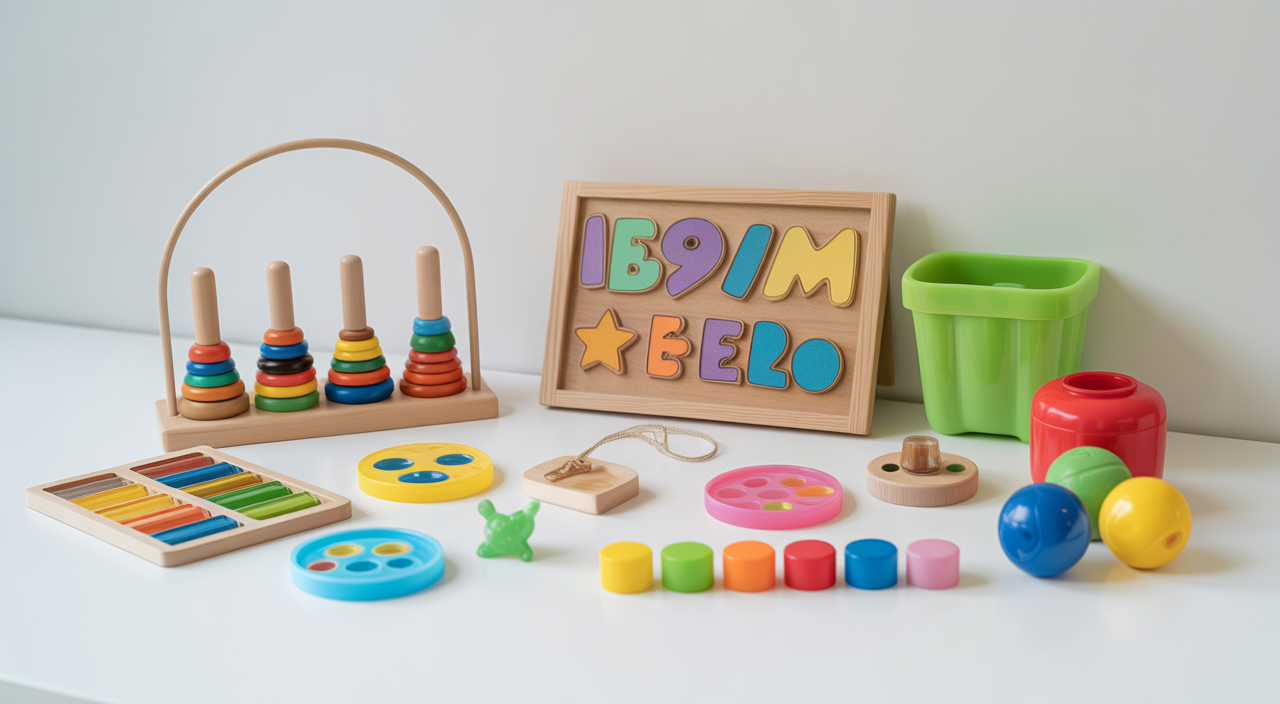
- Basic pre-academic skills, like colors, shapes, and simple counting
- Play skills, including pretend play and playing with peers
Parent training is a key part of quality early learning. Many clinics offer weekly coaching where you learn how to carry over strategies at home. This helps your child progress faster because the same methods are used in clinic, at home, and in the community.
Insurance, costs, and NC-specific support
Cost is one of the biggest questions for any family searching for an aba therapy clinic north carolina. In the United States, ABA is often covered by health insurance when a child has a formal autism diagnosis.
Key points to discuss with each clinic include:
- Which private insurance plans they accept
- Whether they work with NC Medicaid and related programs
- Options for payment plans or reduced fees if you are self-paying
North Carolina also has programs like the Innovations Waiver that can support eligible individuals with long-term developmental needs. It is useful to ask the clinic if they have a team member who helps families navigate these benefits and complete the required paperwork.
How to evaluate and choose your ABA clinic
Whether you live in NC or are an Indian investor studying healthcare models abroad, the basic checklist for a high-quality clinic is similar. Focus on both professional standards and the overall feel of the environment.
Key things to look for include:
- Credentials: Are treatment plans written and supervised by a BCBA licensed or registered in North Carolina?
- Staff training: Are therapists well trained, supervised, and given ongoing education?
- Individualised plans: Does your child receive a custom plan with clear, measurable goals?
- Family involvement: Does the clinic schedule regular parent meetings and training?
During a tour, notice whether children look engaged and relaxed, how staff speak to them, and whether the space feels safe and welcoming. A simple printed checklist can help you compare clinics side by side.
Success stories from families
Families across North Carolina often share similar journeys. A toddler who spoke only a few words begins to use short sentences after regular early learning ABA. A school-age child who struggled to sit in class can later attend full days with fewer supports.
While each child is unique, a good behavior therapy clinic will track progress in a clear, data-based way. They should be able to show how many goals your child meets over time, which methods work best, and how skills are generalised to home and school.
These outcome reports are useful not just for parents, but also for long-term planning, whether you are a local caregiver or an overseas family looking at international therapy options.
Extra learning resources for thoughtful parents and investors
If you enjoy understanding the bigger picture around services, policy, and long-term planning, it can help to explore wider topics like international institutions and public decision making. For example, reading about key public issues we should care about can give helpful context on how health and education policies shape autism services.
You may also appreciate broader guides such as this overview on holistic wellness solutions, which aligns well with a whole-family approach to supporting children with special needs.
Conclusion: Your next steps
Finding the right aba therapy clinic north carolina takes time, but it is worth the effort. Start by shortlisting clinics near your city, check their credentials, ask about early learning programs, and discuss insurance in detail.
Schedule a visit, meet the team, and trust both the data and your instincts. A warm, structured, and evidence-based ABA environment can help your child build skills that support a bright, independent future.
FAQs about ABA therapy clinics in North Carolina
Q1. How many hours of ABA therapy does a child usually need each week?
It depends on the child’s age, needs, and goals. Some young children attend 20 to 30 hours per week in early learning programs, while others may benefit from 10 to 15 hours focused on specific skills. Your BCBA will recommend a plan after assessing your child.
Q2. How long does it take to see progress with ABA therapy?
Many families notice small changes within a few weeks, such as better eye contact or smoother routines. Larger changes, like improved language or social skills, often build over months of consistent sessions and home practice.
Q3. Can ABA therapy work alongside school or preschool programs?
Yes. Many clinics coordinate with teachers and support staff so that goals at the clinic match classroom expectations. This alignment helps your child use new skills across settings, which is essential for long-term success.