What Are Vapour Recovery Units and How Can They Boost ROI for Indian Projects?
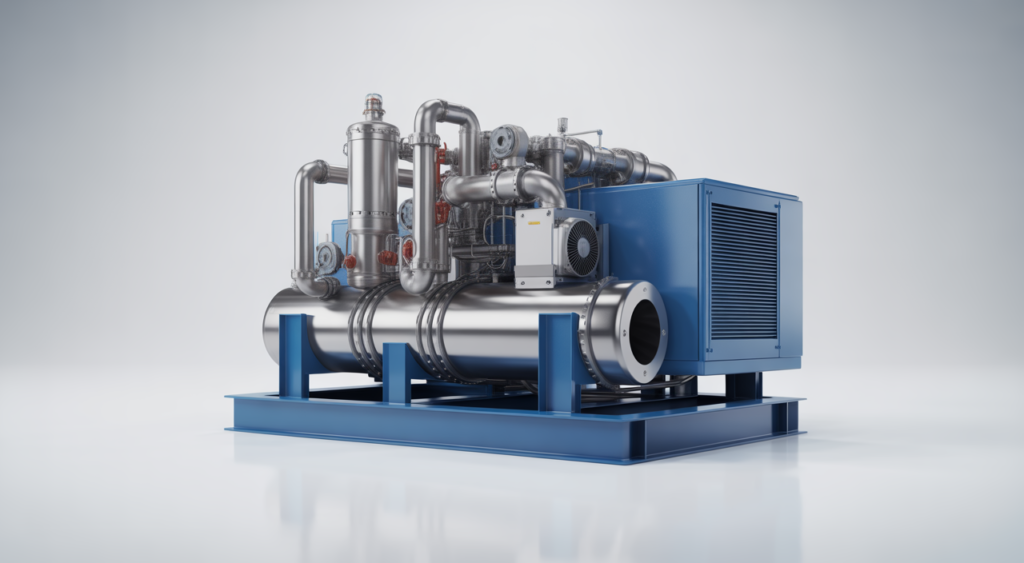
When you hear the term vapour recovery, you may first think about environmental rules. But for Indian refineries, terminals, and chemical plants, vapour recovery units are also strong profit tools. They cut emissions, recover valuable hydrocarbons, and help you meet both Indian and global standards.
In simple words, a vapour recovery unit (VRU) is an emission control system that captures vapours that would otherwise escape into the air. These vapours contain volatile organic compounds (VOCs), which are not only harmful to health but are also saleable fuel components. Instead of letting them go, VRUs collect, treat, and send them back into your product stream.
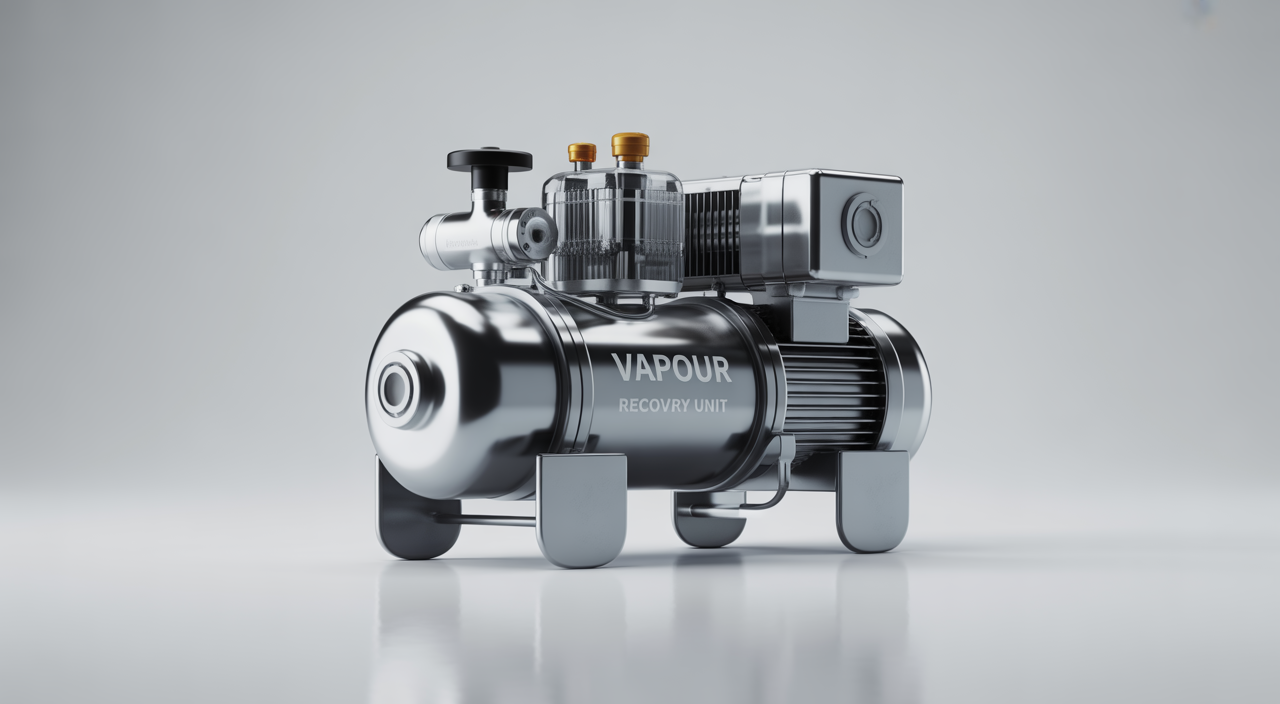
For Indian investors and plant managers, this means lower losses, cleaner air, and smoother compliance during audits from regulators and lenders.
How Vapour Recovery Units Work
Every plant is different, but the basic idea is the same. When you store or transfer petrol, diesel, crude, or chemicals, vapours build up in tanks and pipelines. If not handled, this “tank breathing” releases VOCs into the atmosphere.
A VRU connects to these tanks or loading arms and pulls in the vapour using a compressor or vacuum system. The unit then cools, compresses, or absorbs the vapour to separate hydrocarbons from air. The clean gas is safely vented or reused, while the recovered hydrocarbons go back to storage.
Key Components of a Modern VRU
Most vapour recovery systems combine a few core parts that work together as a skid or modular package:
- Vapour collection line that carries tank or loading vapours to the unit.
- Compressor or vacuum pump that creates suction and raises pressure for treatment.
- Separator/scrubber that removes liquids, particles, and water.
- Condensation or absorption section, where hydrocarbons are captured.
- Control panel and safety instruments with pressure, temperature, and gas detectors.
The design can be tuned to your product mix, flow rate, and local rules. For example, a floating roof tank farm may need a slightly different configuration compared to a truck loading bay.
Common Types of Vapour Recovery Units
While there are many variations, most systems fit into a few broad types:
- Compressor-based VRUs that pressurise the vapour and then cool it to condense hydrocarbons.
- Absorption VRUs where vapours pass through a special liquid that “soaks up” hydrocarbons, which are later stripped and recovered.
- Membrane systems that use selective membranes to separate VOC-rich gas from clean gas.
Within these, you may also see rotary vane VRU designs, screw compressors, or reciprocating compressors. The right choice depends on energy cost, required recovery efficiency, and your site’s operating pattern.
Where VRUs Add the Most Value
Across India, the strongest business case appears in three areas.
1. Oil and gas production
At wellheads and gathering stations, gas flaring and venting are under increasing scrutiny. VRUs help capture associated gas and condensate, turning what used to be waste into useful product.
2. Storage terminals and refineries
Tank farms, especially those with fixed roofs, are prime candidates. Floating roof tank vapour recovery is also rising, as operators seek to limit product loss and meet stricter VOC emission control limits.
3. Chemical plants and bulk loading
During truck, rail, or ship loading, fuel vapour recovery protects workers, nearby communities, and balances loading losses. It also improves your ESG story when you talk to banks and foreign investors.
Regulations and Compliance: Why VRUs Make Audits Easier
Even if you mainly deal with Indian norms, global standards still matter because they shape funding and export opportunities. Many lenders and partners follow guidelines similar to US EPA, EU directives, and international finance benchmarks for VOC recovery.
By installing a well-designed VRU, you can:
- Show clear emission reductions in tonnes per year of VOCs and hydrocarbons.
- Document performance with monitored data and automatic reports.
- Align with international expectations for emission control systems.
This leads to smoother clearances, fewer queries during due diligence, and stronger positioning when you bid for global contracts.
Cost and ROI: How Quickly Can a VRU Pay for Itself?
Many Indian investors initially worry about capital cost. But VRUs are one of the few environmental projects that can directly pay back through product recovery.
Your cost analysis should cover:
- Capex for the skid, installation, civil work, and integration.
- Opex such as power, maintenance, and periodic spares.
- Revenue gain from recovered hydrocarbons that return to the saleable pool.
A simple spreadsheet can show payback in 2–4 years in many terminals, sometimes even faster when product throughput is high and fuel prices are strong. Facilities with large daily loading or volatile products often see the best returns.
Choosing the Right VRU Supplier in India
Selecting a partner is as important as choosing the technology. While reviewing suppliers, focus on:
- Experience in your specific sector and product range.
- Ability to customise designs, not just offer a standard catalogue unit.
- Local service and spare parts support for long-term VRU maintenance.
- Transparent performance guarantees and clear efficiency metrics.
It can also help to read guides on industrial equipment selection, such as this overview on choosing complex hydraulic equipment, to refine your evaluation checklist.
Operations, Maintenance, and Performance Optimisation
For steady performance, your operations team should treat the VRU like any other critical unit. Simple daily and weekly checks go a long way.
- Monitor pressures, temperatures, and flow readings for unusual trends.
- Inspect filters, traps, and seals to avoid leaks or liquid carry-over.
- Schedule periodic compressor servicing as per OEM guidelines.
- Keep a basic log of incidents and corrective actions, which helps improve reliability.
Thoughtful training also matters. A short internal session using case examples from other plants can help operators see the VRU as a value generator, not just a regulatory box to tick. For broader insight into how technical choices affect long-term returns, you might also like this guide on maximising efficiency with specialised industrial equipment.
Future Trends in Vapour Recovery
Newer vapour recovery units are becoming smarter and more energy efficient. Many now come with remote monitoring, data logging, and simple dashboards accessible from control rooms or mobile devices.
Energy-saving designs focus on low-power compressors, heat recovery, and smart start/stop logic based on tank pressure. For Indian plants planning long-life assets, investing in such features today can protect against future electricity price rises and tougher emission standards.
Conclusion: A Practical Step Toward Cleaner, More Profitable Operations
For Indian investors, engineers, and plant heads, vapour recovery units offer a rare combination of benefits. They cut VOC emissions, strengthen your compliance story, and reduce product losses that directly affect your bottom line.
By choosing the right technology, partnering with a capable supplier, and giving proper attention to operation and maintenance, you can turn a regulatory requirement into a long-term profit centre and a strong ESG highlight for your organisation.
FAQs on Vapour Recovery Units
Q1. How long does a typical VRU system last?
With proper maintenance, a well-designed VRU can operate for 15–20 years or more. Critical parts like compressors and valves may need overhauls along the way, but the main structure, vessels, and piping can serve for the full life of your tank farm or loading facility.
Q2. Will installing a VRU cause long downtime at my site?
Most installations are planned to minimise disruption. Much of the unit assembly is done off-site as a skid. Tie-ins to tanks or loading arms are usually completed during short, scheduled shutdowns, often coordinated with other maintenance activities.
Q3. Can I retrofit a VRU to existing storage tanks?
Yes, retrofits are common. Engineers assess your current vent lines, tank type, product, and available space. The VRU is then sized and routed to connect with minimal modifications, making it a practical upgrade for older but active facilities.