The Ultimate Guide to Walk In Wardrobes: Design, Cost & Styling Tips
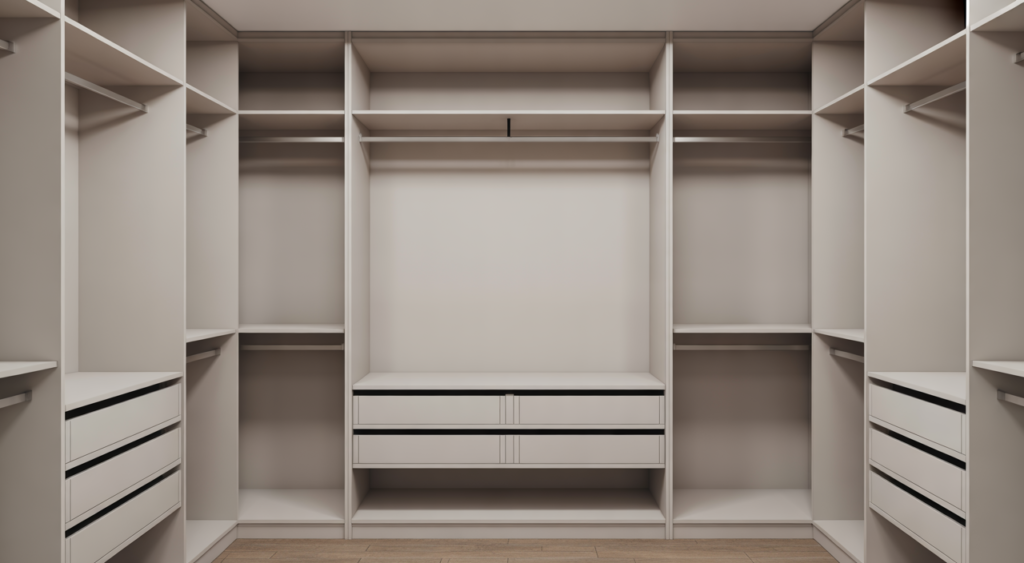
What makes walk in wardrobes worth the investment?
A well planned dressing room can turn hectic mornings into a calm, enjoyable routine. You know where everything is, clothes stay crisp, and your bedroom feels clear and peaceful. That is the magic of beautifully designed walk in wardrobes tailored to your home and lifestyle.
In this guide, you will learn how to plan your space, choose layouts and finishes, and understand typical UK costs. Whether you are working with a spare box room, an attic nook, or a full master suite, you can create a practical and stylish dressing room.
The tips here are simple, realistic, and easy to follow. By the end, you will be ready to brief a designer, set a clear budget, and move one step closer to your dream wardrobe.
Why choose a walk in wardrobe?
Maximise your space and storage
Traditional freestanding wardrobes often waste corners and vertical space. A fitted walk in wardrobe uses every inch from floor to ceiling. You gain extra hanging rails, drawers, shelves, and hidden storage for luggage and seasonal items.
Because units are built to measure, awkward UK spaces like lofts, eaves, and alcoves become useful storage zones. This is ideal if you live in a city flat or a compact home where every centimetre counts.
Boost your morning and evening routine
A well laid out dressing room groups everything logically. Shirts and sarees in one area, workwear in another, and accessories clearly displayed. This saves time and keeps clothes in better condition.
Open shelving and pull-out drawers mean you see what you own at a glance. Many people find they start using more of their wardrobe and buying less “just in case” because they can finally see everything.
Increase your home’s value
Buyers in the UK increasingly look for high quality built-in wardrobes and dressing rooms. A neat, custom storage space feels luxurious and makes bedrooms appear larger and more organised.
While exact return on investment varies, a tasteful dressing room is often a strong selling point. It signals that the home has been planned with care and that space has been used intelligently.
Planning your walk in wardrobe
Assessing your available space
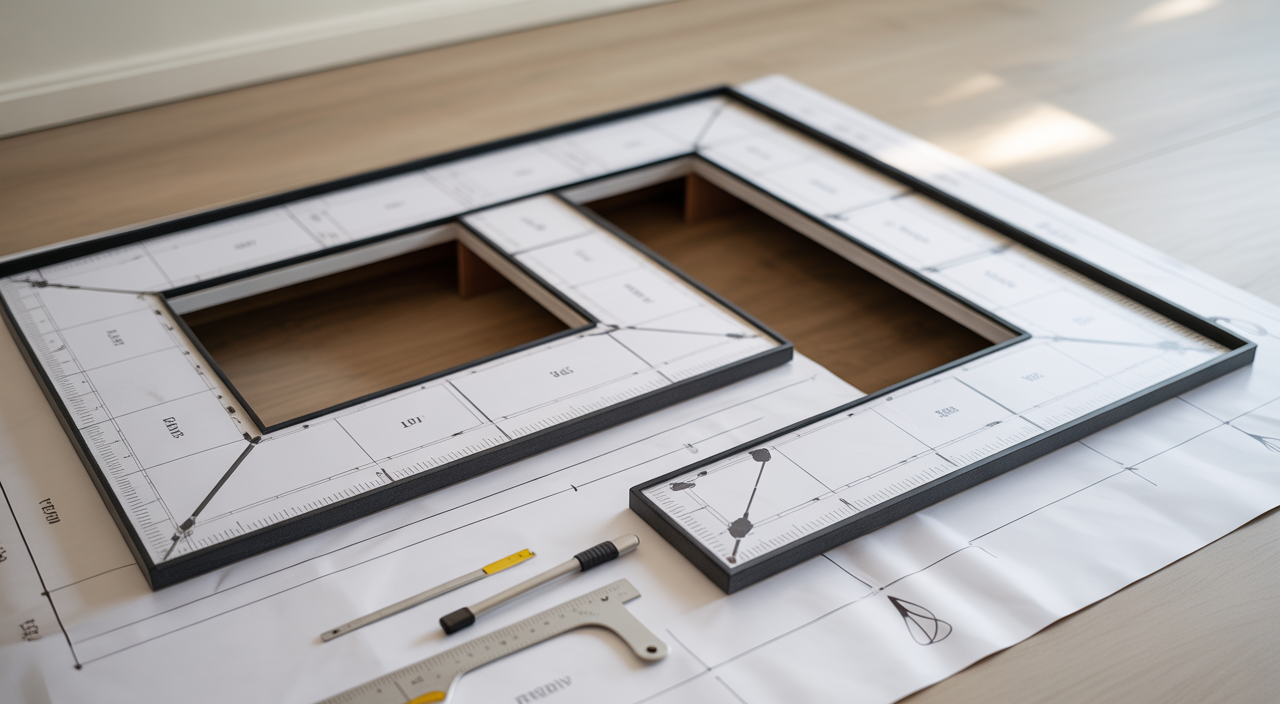
You do not need a huge room. As a rough guide, a minimum of about 1.5 m width can work, as long as you allow at least 90 cm clear walking space between units. For two rows of hanging space facing each other, plan for at least 2 to 2.2 m width.
Measure floor area, ceiling height, window positions, and doors. Note any sloping ceilings, radiators, or bulkheads that may affect layout. A simple “space check” like this is more useful than complex tools for a first draft.
Defining your storage needs
Before looking at finishes, count what you own. For example:
- Number of long garments like dresses and kurtas
- Shirts, trousers, and folded knitwear
- Shoes and bags
- Jewellery, watches, and belts
Once you know your wardrobe contents, you can decide how many long-hang sections, double-hang rails, shelves, and drawers you need. This is the best way to avoid a beautiful but impractical design.
Choosing the right layout
Common layouts include:
- L-shaped for corners and smaller rooms
- U-shaped for larger rooms where you can have storage on three sides
- Gallery style with two parallel runs and a walkway in the middle
If you have generous space, a central island with drawers can double as a folding and packing area. For compact UK rooms, slim-depth shelving and one-sided layouts still create a boutique feel without feeling cramped.
Materials, finishes and lighting
Comparing common materials
Most fitted wardrobe systems in the UK use engineered materials. MDF with high quality laminate or lacquer is popular because it is stable and smooth. Melamine-faced boards are a practical, budget-friendly choice that clean easily.
Solid wood gives a rich, natural feel but costs more and requires more care. For many homes, a mix works well, such as melamine interiors with a premium painted or veneer door finish.
Finishes and colour trends
Light neutrals like white, stone, and soft grey help smaller dressing rooms feel open and airy. Wood-look finishes bring warmth, and deep tones such as navy or charcoal add a luxury touch when paired with good lighting.
Matte finishes hide fingerprints better than gloss. For a modern look, consider handleless doors with clean lines. For a classic style, framed doors and warm timber accents work beautifully.
Lighting solutions
Good lighting is essential. Combine a bright main ceiling light with softer task lighting inside or above wardrobe units. LED strips under shelves and along hanging rails give clear visibility without heat.
Motion sensor lights are a smart idea so you do not need to fumble for switches. To explore more ways to use compact lights effectively, see this guide to stylish small LED lighting options.
Inspiring walk in wardrobe ideas
Small walk in wardrobe ideas
For a box room or compact dressing area, use double-hang rails on one wall and floor-to-ceiling shelving on the other. Shallow shelves for shoes and bags keep the walkway clear.
Mirrored doors or a full-length mirror reflect light and make the space feel larger. Light colours, slim handles, and clear glass fronted sections also reduce any feeling of crowding.
Luxury and bespoke dressing rooms
Luxury dressing rooms often feature custom islands, soft-close drawers, dedicated jewellery trays, and integrated seating. A mix of open and closed storage lets you display favourite pieces while keeping clutter hidden.
Adding details like a feature wall colour, upholstered bench, and statement light fitting turns the room into a peaceful private retreat rather than just a storage space.
Budget friendly designs
You can still get a polished look on a modest budget. Focus spending on a strong fitted structure, then keep finishes simple and timeless. Add personality through rugs, artwork, and decorative boxes.
Modular units that can be adjusted or added to later are ideal if you plan to build the space in stages.
Cost breakdown and budgeting
Entry level walk in wardrobe costs
At the most basic level, using modular shelving, open rails, and simple melamine finishes, a small UK walk in wardrobe might start from the low four figures, depending on size and fittings.
This type of solution suits spare box rooms and rental homes where you want extra storage without major building work.
Mid range bespoke options
For made-to-measure fitted units with better finishes, soft-close hardware, and some internal accessories, expect higher four-figure costs and above. Price depends on complexity, materials, and the number of drawers and doors.
This is the level where most homeowners find the best balance of quality, style, and value.
High end luxury dressing rooms
High end designs with premium veneers, glass doors, islands, custom lighting, and integrated seating sit in the top price band. These spaces often feel like boutique showrooms and are tailored around your exact wardrobe and routines.
They are ideal when you want your dressing room to be a standout feature of your home and a long term investment.
Installation and maintenance
Professional fit vs DIY
DIY systems can work for simple layouts and tight budgets but need careful planning and good tools. Professional installation gives a neater finish, better alignment, and stronger fixings, especially on older UK walls and uneven floors.
Many homeowners choose professional fitting for peace of mind, warranties, and a quicker, cleaner process.
Lead times and care tips
From final design sign-off, most bespoke dressing rooms take several weeks for manufacturing and then a few days for installation. Plan around holidays or busy times to reduce disruption.
For upkeep, dust open shelves regularly, use soft cloths on doors, and avoid abrasive cleaners. Good ventilation helps keep clothes fresh, especially in smaller rooms.
FAQs about walk in wardrobes
Q: Can I turn a small spare room or alcove into a walk in wardrobe?
Yes, many UK homes use a compact box room, part of a large bedroom, or an attic corner as a dressing space. With built-in units and clever layouts, even narrow rooms can work well as functional walk in wardrobes.
Q: What is the best way to light a walk in wardrobe?
Combine a bright central ceiling fitting with LED strips inside or under shelves and along rails. Motion sensors and warm white LEDs give a soft, flattering light while still letting you see colours clearly.
Q: Do walk in wardrobes add value to a property?
While exact figures vary, a well designed dressing room often makes a home more attractive to buyers. It shows smart use of space and provides practical, desirable storage that many people are happy to pay more for.
Ready to design your dream dressing room?
With clear measurements, a realistic budget, and a list of what you need to store, you are ready to speak to a specialist and shape your own stylish dressing room. For more fitted bedroom inspiration, explore these ideas for transformative bedroom fitted furniture designs.
A thoughtfully planned walk in wardrobe is more than storage. It is a daily pleasure that keeps your home calm, your clothes cared for, and your routines smooth and enjoyable.