
The Ultimate Guide to Buying Authentic Basmati Rice for Sale
Why does “authentic basmati rice for sale” matter so much?
When you search for authentic basmati rice for sale, you are not just buying any long-grain rice. You are choosing the heart of your biryani, pulao, or everyday dal-chawal. One good choice can lift your entire meal, while a poor one can leave it flat and sticky.
For many Indian families and food lovers abroad, basmati is emotional. It reminds us of weddings, festivals, and weekend feasts. So it is worth knowing how to pick the real thing, how to cook it right, and how to get full value for your money.
This simple guide walks you through authenticity, types, buying tips, and cooking tricks, so every grain on your plate is fragrant, long, and perfectly cooked.
What makes basmati rice “authentic”?
Authentic basmati is not just long-grain rice with a fancy label. It has clear traits that come from its origin, variety, and the way it is aged and handled.
1. Geographic origin
Real basmati traditionally comes from the Himalayan foothills of India and parts of Pakistan. Soil, climate, and water in this region create a special aroma and texture you cannot copy anywhere else.
- Look for clear mention of origin on the pack, such as “grown in the Himalayan foothills”.
- Good brands often highlight specific states or regions, like Jammu, Himachal, Punjab, or Uttarakhand.
2. Registered varieties
Authentic basmati uses approved basmati varieties, not just any long-grain hybrid. These grains are naturally slender, with a firm bite after cooking.
- On many packs, you will see words like “traditional basmati” or “premium aged basmati”.
- Some brands list varietal details and testing standards on their website.
3. The aging process
Good basmati is usually aged for 1 to 2 years. This reduces moisture content and deepens aroma.
- Aged long-grain rice cooks extra fluffy, with grains that expand more than twice in length.
- Poorly aged rice often breaks, clumps, and lacks fragrance.
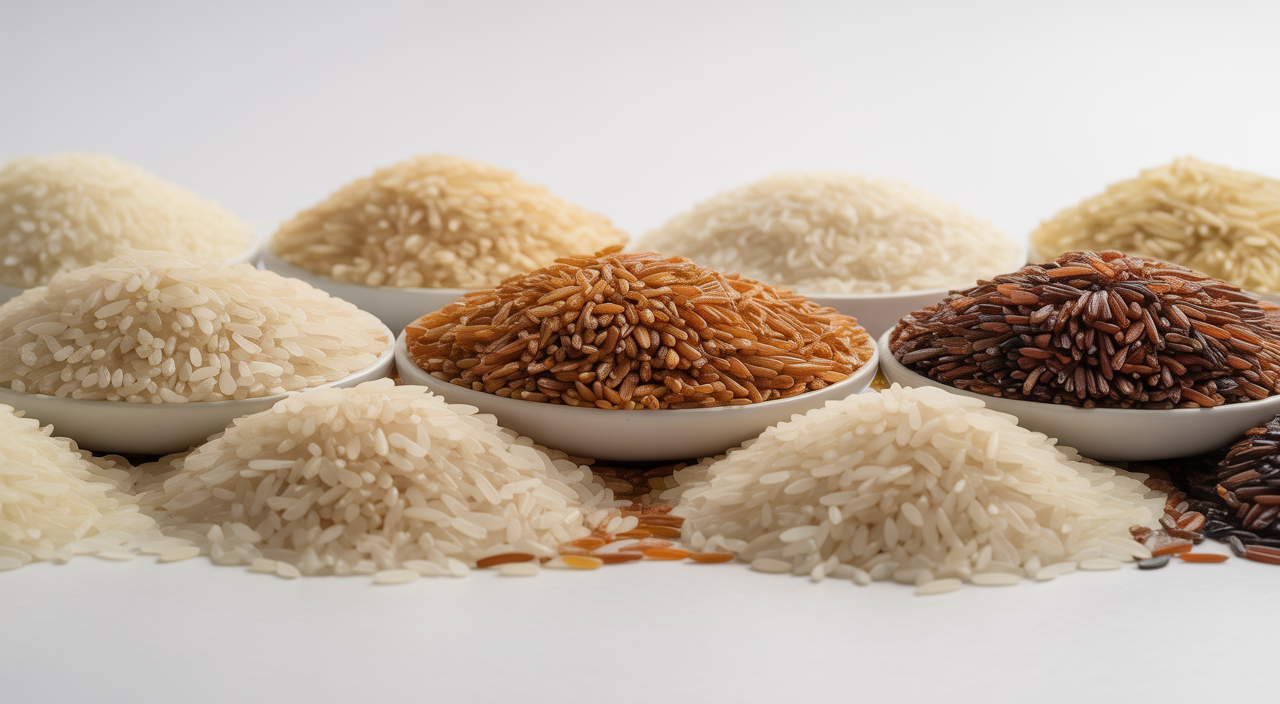
Types of basmati rice explained
When you look for authentic basmati rice for sale online, you will see many types. Knowing the differences helps you pick the right one for your kitchen and budget.
1. White basmati
This is polished rice where the husk and bran are removed. It cooks fast, looks snow-white, and is ideal for biryani, fried rice, and restaurant-style pulao.
2. Brown basmati
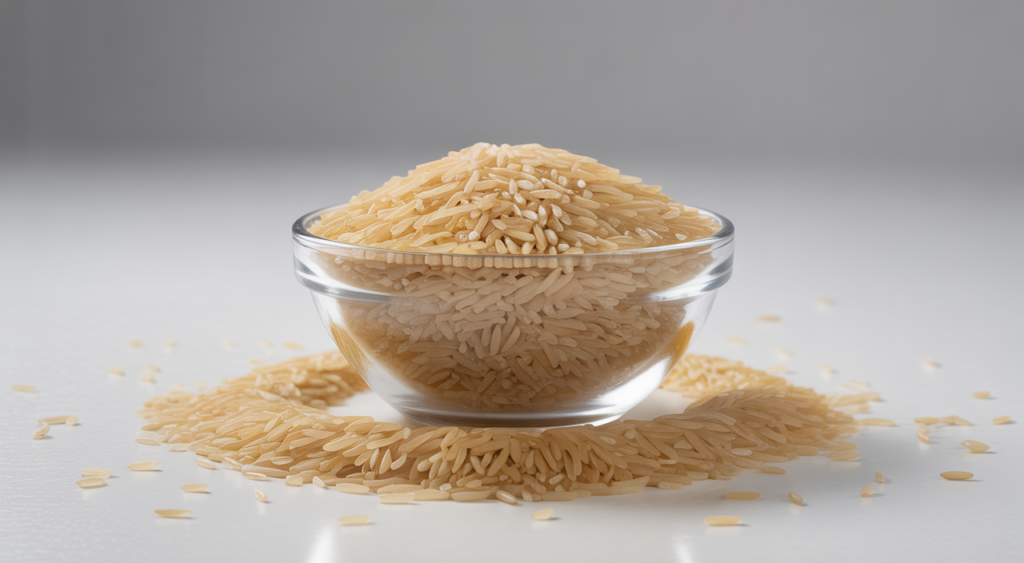
Brown basmati keeps the bran layer, so it has more fibre and a nuttier taste. It takes a little longer to cook and has a slightly chewy bite.
- Great for health-conscious families.
- Works well with dal, grilled veggies, or light curries.
3. Aged premium basmati
This is top-tier rice, aged longer for maximum aroma and grain length.
- Perfect for special occasions like weddings, Eid, Diwali, or big family gatherings.
- Ideal for layered biryanis where grain separation matters most.
4. Organic and non-GMO basmati
Organic basmati is grown without synthetic pesticides and chemical fertilisers. Non-GMO means the seeds are not genetically modified.
- A good fit if you prefer cleaner, more transparent food choices.
- Prices may be higher, but many buyers feel the peace of mind is worth it.
How to choose the best basmati rice for sale
Once you know the types, focus on clear quality indicators before you add that bag to your cart.
1. Check grain length and shape
- Look for extra-long grains, slim and uniform.
- Too many broken grains or chalky pieces are a red flag.
2. Smell the aroma (when possible)
Authentic basmati has a natural, nutty, popcorn-like aroma, even when raw. In a store, gently smell the pack if it is allowed. Online, depend on reviews and brand descriptions.
3. Look for certifications
Reputed brands often highlight food safety and quality certifications on the pack or website. These may include international standards and regular lab testing for purity and residue.
- Certifications show that the rice is checked for quality, not just packed and sold.
- Many premium suppliers also share details of their supply chain and testing processes.
For a broader understanding of how to judge reliable products in general, you may find this simple guide to assessing trustworthy information sources very helpful.
Where to buy authentic basmati rice online
Online shopping makes it easy to compare prices, varieties, and reviews in a few clicks. But you still need to be careful and choose platforms that value transparency.
- Look for clear product photos that show grain length and colour.
- Read customer reviews, especially around aroma, texture, and consistency between batches.
- Check delivery options and replacement policies in case the pack arrives damaged.
Some specialist food sites also share stories of farmers, regions, and cooking tips. These details increase trust, just like understanding the background of a travel destination can improve your trip planning, as explained in this guide to choosing the best time to visit Kashmir.
Simple cooking tips for perfect fluffy basmati
Even the best rice needs the right method. Follow these easy steps for fragrant, separate grains every time.
1. Rinse well
- Wash the rice 3 to 4 times in cold water until the water runs mostly clear.
- This removes extra surface starch and prevents stickiness.
2. Soak before cooking
- Soak for 20 to 30 minutes for white basmati, 30 to 45 minutes for brown basmati.
- Soaking helps grains expand longer instead of just getting wider.
3. Use the right water ratio
- For white basmati on the stove: about 1 cup rice to 1.5 to 1.75 cups water.
- For brown basmati: 1 cup rice to about 2 to 2.25 cups water.
- Adjust slightly based on how firm or soft you like your rice.
4. Cook on gentle heat
- After the water starts boiling, reduce to low flame, cover with a tight lid, and let it simmer.
- Once done, switch off the gas and rest the rice, covered, for 10 minutes.
- Fluff gently with a fork to separate the grains.
5 easy ways to enjoy authentic basmati
Once you have chosen good rice and learned to cook it well, you can enjoy it in many Indian and fusion dishes.
- Classic vegetable biryani with layers of spiced veggies, fried onions, and saffron-infused rice.
- Jeera rice with ghee, cumin seeds, and a few whole spices served with dal tadka.
- Lemon rice using leftover basmati, lemon juice, curry leaves, and roasted peanuts.
- Vegan pulao with mixed vegetables, whole spices, and light oil for a balanced weekday meal.
- Cardamom rice kheer where long, soft grains soak up milk, sugar, and nuts.
FAQs about buying authentic basmati rice for sale
Q1. Is aged basmati rice worth the higher price?
Yes, if you care about long, separate grains and deep aroma, aged basmati is usually worth it. The aging process reduces moisture, so the rice cooks fluffier and less sticky. For special dishes like biryani or for guests, premium aged basmati often gives a clearly better result.
Q2. How should I store basmati rice for maximum freshness?
Keep rice in an airtight container, in a cool, dry place away from direct sunlight. Avoid storing it near strong-smelling foods like spices or cleaning products, as rice can absorb odours. For long-term storage in humid areas, you can keep rice in a sealed container inside a cupboard, or use smaller packs so it is used up faster.
Q3. Can I mix white and brown basmati in one pot?
You can, but their cooking times are different. To make them cook evenly, soak brown basmati a bit longer and start cooking it first with slightly more water. After a few minutes, add soaked white basmati and continue cooking together, keeping an eye on texture.
With the right knowledge and a careful eye on quality, finding authentic basmati rice for sale becomes simple and rewarding. Every meal then reflects the care you put into choosing the right grain.