Master Your Bakes: The Ultimate Guide to Choosing & Using Chocolate for Baking
Do you ever wonder why some homemade chocolate chip cookies taste absolutely incredible, while others fall a bit flat? The secret often lies in one crucial ingredient: the chocolate itself. Choosing the right chocolate for baking can truly transform your desserts. It can take them from good to truly extraordinary.
Many home bakers find it tricky to pick the perfect chocolate. There are so many types and percentages available. This can lead to inconsistent results in your kitchen. But don’t worry. This guide will help you understand baking chocolate better. You’ll learn how to choose and use premium quality chocolate for amazing flavor and texture every time.
We believe in the power of quality ingredients. A well-chosen chocolate elevates any recipe. It makes a noticeable difference in taste and experience. Let’s dive into the delicious world of baking chocolate.
Beyond the Bar: What Exactly is Baking Chocolate?
Before we pick the best chocolate, let’s understand what baking chocolate really is. It’s not just any chocolate bar you might snack on. Baking chocolate is specifically made to hold up to the heat of your oven. It’s formulated to give the best flavor and texture to your baked goods.
The Basics: Cocoa Mass, Cocoa Butter & Sugar
All chocolate starts with cacao beans. These beans are processed to create several key ingredients. Cocoa mass is the pure ground form of cacao beans. It gives chocolate its deep flavor. Cocoa butter is the natural fat from the cacao bean. It gives chocolate its smooth texture and melt. Sugar is then added to balance the bitterness. The proportions of these ingredients determine the type of chocolate.
Types of Baking Chocolate (and When to Use Them)
The world of baking chocolate offers many forms. Each has its own best use:
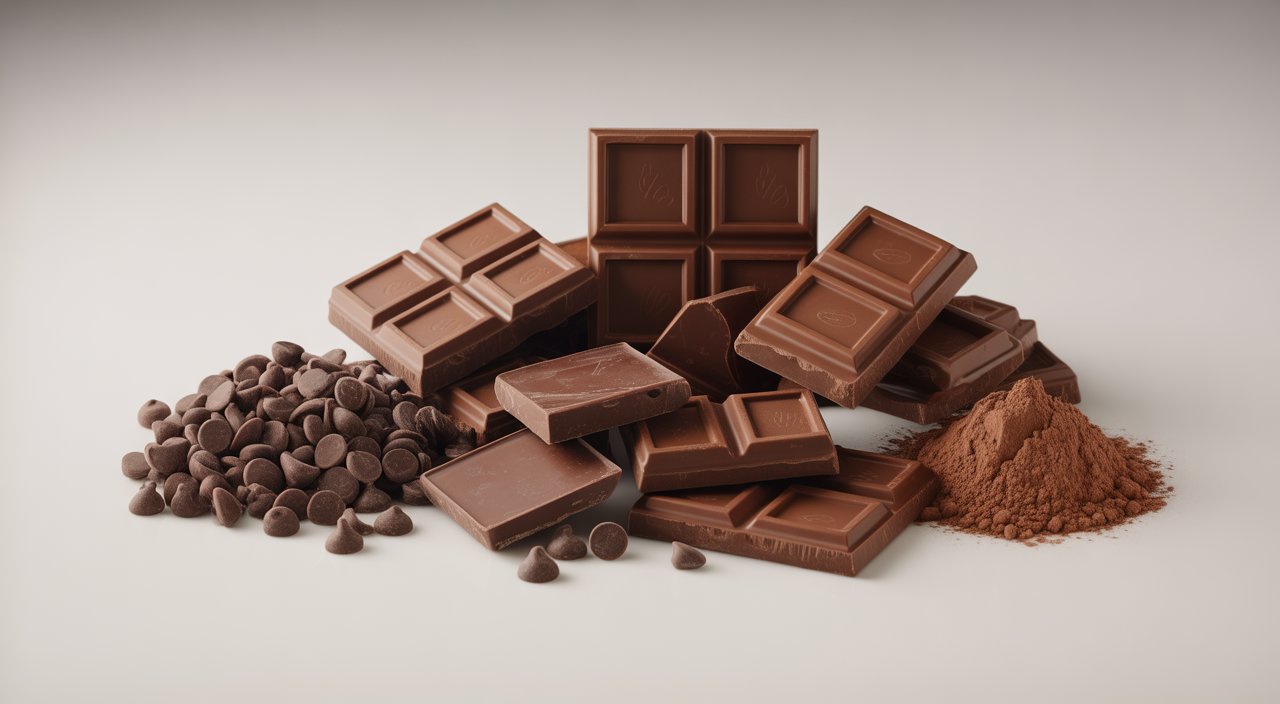
- Bars or Blocks: These come in large pieces. You usually chop them yourself. They offer precise control over piece size. They are perfect for melting into batters or creating large, melty pockets in cookies. You can find them as unsweetened, bittersweet, semi-sweet, milk, or white chocolate.
- Chips or Chunks: These are ready-to-use pieces. They often contain stabilizers to help them keep their shape during baking. This means they won’t melt completely into your dough. They are ideal for cookies and muffins where you want distinct chocolate pieces.
- Callets or Wafers: These are small, coin-shaped pieces. They are designed to melt smoothly and evenly. Callets are often preferred by professional bakers. They are fantastic for making ganache, glazes, or for tempering (a process we’ll discuss later).
- Cocoa Powder: This is pure cocoa solids with most of the cocoa butter removed. It adds deep chocolate flavor without extra fat or sugar. Natural cocoa powder is slightly acidic and pairs well with baking soda. Dutch-processed cocoa powder is treated to be less acidic and has a darker color. It’s often used with baking powder.
Decoding Cocoa Percentages: Your Guide to Dark, Milk & White Chocolate for Baking
You’ve seen numbers like 70% or 55% on chocolate packaging. What do they mean? This percentage is key to choosing the right flavor for your baked treats.
What Does the Percentage Mean?
The cocoa percentage tells you how much of the chocolate is made from cacao solids and cocoa butter. A higher percentage means more cocoa and less sugar. This results in a more intense, less sweet chocolate flavor.
Choosing the Right Percentage for Your Recipe
- High Percentages (70%+): These dark chocolates offer a deep, robust cocoa flavor with minimal sweetness. They are excellent for recipes where you want intense chocolate notes to shine, such as fudgy brownies or rich chocolate tortes. They pair wonderfully with fruits or spices.
- Mid-Range (50-65%): This is a versatile range, often labeled bittersweet or semi-sweet. It provides a balanced richness that works well in most recipes. Think classic chocolate chip cookies or moist chocolate cakes. This range gives a satisfying chocolate taste without being overly bitter or sweet.
- Milk Chocolate: With typically 30-40% cocoa, milk chocolate is sweeter and creamier due to added milk solids. It’s perfect for recipes where you desire a softer, milder chocolate flavor, like milk chocolate ganache or chocolate frosting.
- White Chocolate: Surprisingly, white chocolate contains no cocoa solids. It’s made from cocoa butter, sugar, milk solids, and vanilla. It offers a sweet, creamy, and vanilla-like flavor. Use it when you want a delicate, sweet complement, like in white chocolate macadamia nut cookies or a berry tart.
The Artisan Difference: Crafting Exceptional Chocolate for Your Bakes
While many chocolates are available, artisan chocolates stand out. They are made with care and a focus on quality ingredients. This commitment makes a huge difference in your baking results.
Our Bean-to-Bar Philosophy
Artisan chocolatiers often follow a “bean-to-bar” approach. This means they control every step of the chocolate-making process. It starts from sourcing the raw cacao beans to grinding, refining, and forming the final chocolate product. This meticulous process ensures purity and exceptional flavor.
This careful method allows for transparency. You know where the cacao comes from. You also know how it’s treated. This attention to detail results in a chocolate with a much richer and more complex flavor. It’s a true step up for your baking.
Ethical Sourcing & Sustainability
Choosing artisan chocolate often means supporting ethical practices. Many craft chocolate makers prioritize direct relationships with cacao farmers. They ensure fair wages and sustainable farming methods. This not only benefits the communities that grow cacao but also ensures the highest quality beans. This focus on sustainability is important for the planet and for the future of delicious chocolate.
Unlocking Unique Flavor Profiles
Different cacao beans, based on their origin and processing, have unique flavor notes. Just like wine, chocolate can have hints of fruit, nuts, spices, or even floral notes. A craft dark chocolate from a specific region might carry bright cherry notes. Another might have deep earthy tones.
Understanding these unique profiles helps you pair your chocolate perfectly with your dessert. A fruity chocolate might be amazing in a berry tart. A nutty one could enhance a caramel-filled brownie. This thoughtful pairing elevates your baking to an art form.
The Expert’s Choice: Matching Your Craft Chocolate to Your Baking Masterpiece
Now that you know more about chocolate, let’s match it to your baking goals. The right choice will make your creations sing.
Best Chocolate for Cookies & Brownies
For chewy cookies, a mid-range semi-sweet or bittersweet chocolate (around 50-65%) works wonders. It melts beautifully and provides a balanced sweetness. For fudgy brownies, a higher percentage dark chocolate (65-75%) will give that deep, intense flavor and rich texture. Chopped bars often provide better melt and texture than chips.
Perfecting Ganache, Sauces & Glazes
For smooth ganaches, sauces, and glazes, choose chocolate with a good amount of cocoa butter. Callets or wafers are ideal because they melt very evenly. A chocolate in the 55-70% range creates a luscious, shiny ganache. The cocoa butter content helps with its emulsification and smooth consistency.
Tempering & Molding: For the Advanced Baker
Tempering chocolate is a technique that gives it a beautiful shine, a crisp snap, and prevents it from blooming (forming white streaks). This is essential for molded chocolates, dipping, or creating decorative elements. Using high-quality couverture chocolate, often found in callet form, makes tempering easier and more successful. If you’re looking for ways to improve your general cooking skills, understanding calorie content can also be a useful step for balancing deliciousness with health goals.
Beyond Desserts: Savory Applications with Chocolate
Don’t limit chocolate to just desserts! Unsweetened or very dark chocolate can add incredible depth to savory dishes. Think traditional Mexican mole sauces, rich chili, or even rubs for meats. The bitterness and complex flavors of high-quality cacao can truly enhance savory profiles.
Master Chocolatier Tip: Always taste your baking chocolate plain first. This helps you understand its unique flavor profile before you incorporate it into your recipe!
Baking Success: Essential Tips for Working with Your Chocolate
Even the best chocolate needs proper handling. Here are some key tips for baking success.
Gentle Melting Techniques
Chocolate is delicate. It can seize (turn stiff and lumpy) if it gets too hot or if even a tiny drop of water gets into it. The best methods are a double boiler or the microwave. With a double boiler, use indirect heat. In the microwave, heat in short bursts (15-30 seconds), stirring well in between, until mostly melted. The residual heat will melt the rest. For precision in your kitchen, you might even consider adding some small battery-operated lights for kitchen projects to better see your delicate work.
The Art of Tempering
As mentioned, tempering is key for certain uses. It involves carefully heating and cooling chocolate to stabilize its crystals. This ensures a glossy finish and a firm texture. While it sounds complicated, practice makes perfect. Many online tutorials and guides can help you master this technique.
Proper Storage for Peak Freshness
Store your chocolate in a cool, dry place. A pantry cupboard is usually perfect. Avoid the refrigerator, as it can cause sugar bloom (white streaks) and absorb odors. Keep it sealed to protect it from air and moisture. Proper storage ensures your chocolate is always ready for your next baking adventure.
Your Journey to Extraordinary Baking Begins with Premium Chocolate
The right chocolate truly is the heart of many beloved baked goods. By understanding the types, percentages, and the value of craft chocolate, you’re now equipped to make informed choices. These choices will significantly improve your baking results.
Investing in high-quality, ethically sourced chocolate not only elevates your desserts but also supports sustainable practices. It connects you to the passionate world of cacao. Ready to transform your baking? Explore a range of exceptional baking chocolates and discover new favorites for your kitchen.
Frequently Asked Questions About Baking Chocolate
Q1: Can I use eating chocolate bars instead of specific baking chocolate?
While you can sometimes substitute, it’s generally not recommended. Eating chocolate often has more sugar and stabilizers. These might not give you the desired texture and melting properties in baking. Baking chocolate is formulated to perform best under heat. For optimal results, stick to chocolate specifically labeled for baking.
Q2: What is “chocolate bloom” and is chocolate with bloom safe to eat?
Chocolate bloom appears as a white, dusty layer or streaks on the surface of chocolate. There are two types: fat bloom (from cocoa butter crystals rising to the surface) and sugar bloom (from moisture causing sugar crystals to recrystallize). Chocolate with bloom is absolutely safe to eat. However, its texture and appearance might be affected, making it less ideal for applications where looks or a smooth melt are crucial, like tempering or dipping.