
Houston Veneers: Your Ultimate Guide to Transforming Your Smile

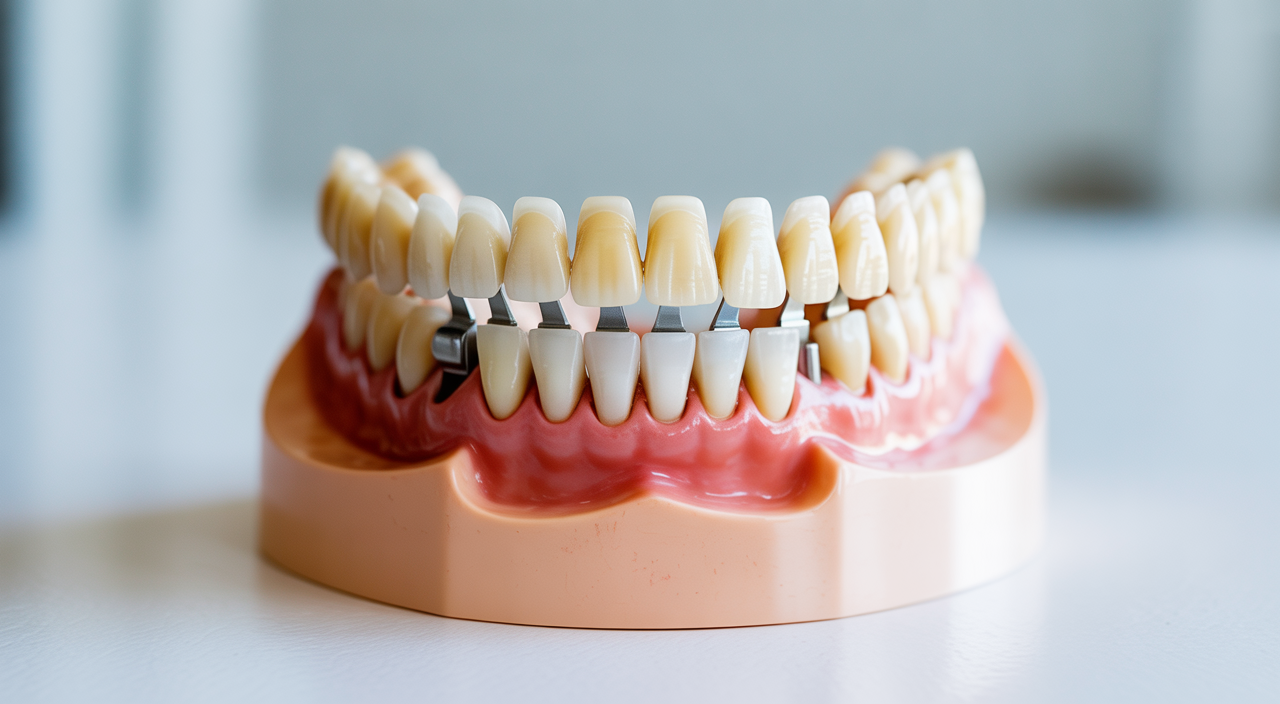
What makes Houston veneers such a popular choice for a confident smile?
In a city as vibrant as Houston, your smile is often the first thing people notice. If you have stains, chips, gaps, or slightly crooked teeth, you might be exploring cosmetic dental veneers as a long‑lasting solution. Many residents now choose Houston veneers to match their professional and social lifestyle with a bright, camera‑ready smile.
Veneers are thin covers that bond to the front of your teeth. They can quickly change the color, shape, and overall look of your smile with minimal discomfort. For Indian investors and professionals building careers in Houston or similar global cities, veneers can be a smart personal investment that supports confidence in meetings, pitches, and networking events.
This guide walks you through types of veneers, costs, procedure steps, and care tips, so you can decide if they fit your goals and budget.
What are dental veneers?
Dental veneers are ultra‑thin shells made from porcelain or tooth‑colored resin. Your dentist bonds them to the front surface of your teeth to improve appearance. Think of them as a custom “skin” for your teeth that looks natural and feels smooth.
Veneers can help with:
- Deep stains that do not respond to whitening
- Small gaps between teeth
- Chipped, worn, or uneven teeth
- Mild crowding or misalignment
Because they are custom‑made, cosmetic dental veneers can be designed to match your face shape, skin tone, and even your professional image, from subtle and natural to glamorous and bold.
Types of veneers available in Houston
When you research the best veneers in Houston, you will find three main options. Each has its own benefits, cost range, and ideal use case.
Porcelain veneers
Porcelain veneers are the most popular choice for a premium smile makeover. Porcelain is a ceramic material that closely mimics natural tooth enamel.
Pros:
- Very natural look with a gentle shine
- Strong and highly stain‑resistant
- Typical veneer lifespan of 10–15 years or more with good care
Cons:
- Higher initial dental veneer cost per tooth
- Usually requires light shaping of the tooth (called veneer preparation)
Composite veneers
Composite veneers are made from tooth‑colored resin, similar to modern filling material. They are often crafted directly in the mouth and can sometimes be completed in a single visit.
Pros:
- More budget‑friendly than porcelain
- Repairs are easier if a small chip occurs
- Less tooth removal in many cases
Cons:
- More likely to stain over time
- Usually a shorter lifespan than porcelain veneers
No‑prep or ultra‑thin veneers (often called Lumineer‑style)
No‑prep veneers are very thin porcelain dental laminates that require little or no enamel removal. They are a good option if your teeth are already well‑aligned but you want to improve color and small shape issues.
Pros:
- Minimal or no drilling on healthy teeth
- Comfortable process for patients with dental anxiety
- Reversible in some cases
Cons:
- Not ideal if teeth are very dark or crowded
- May not last as long as thicker porcelain options in heavy biting areas
Step‑by‑step veneers procedure
Most veneer cases in Houston follow a clear, predictable timeline. This helps you plan around work, travel, or business investments.
- Consultation and smile design
Your cosmetic dentist checks your teeth and gums, discusses your goals, and may take photos and digital scans. Together, you choose the shade, shape, and number of veneers. This is also the right moment to discuss budget and payment plans. - Tooth preparation and impressions
For standard porcelain veneers, a tiny layer of enamel is removed so the shells fit naturally. Then your dentist takes impressions or scans that go to a dental lab. For many no‑prep veneers, this step is minimal. - Temporary veneers
If needed, temporary veneers protect your teeth while the lab prepares your final set. You can test the look and give feedback on shape and length. - Final placement
At the last visit, your dentist checks the fit and appearance, then bonds each veneer with a strong dental cement. Small adjustments and polishing complete your new smile.
What is the cost of veneers in Houston?
Veneers are a premium cosmetic treatment, so it is important to understand cost factors clearly. While exact prices vary by clinic and case, some common points apply across most practices in large cities.
Main cost factors:
- Type of veneers (porcelain vs composite vs no‑prep)
- Number of teeth you treat (single tooth vs full smile makeover)
- Complexity of your bite and alignment
- Experience and training of the cosmetic dentist
Insurance usually does not cover cosmetic veneers, but many Houston clinics offer flexible payment plans and third‑party financing. When you compare veneer cost per tooth, it can help to think like an investor: spread the expense over 10–15 years of daily use and confidence in your personal and professional life.
For a deeper look at how to weigh long‑term value in personal upgrades, you may enjoy this guide on evaluating premium lifestyle investments.
Veneers vs other cosmetic options
If you are unsure whether veneers are right for you, compare them with other treatments:
- Veneers vs whitening: Whitening brightens natural enamel but cannot change shape or close gaps. Veneers handle color and shape together.
- Veneers vs crowns: Crowns cover the whole tooth and are usually used when the tooth is weak or heavily filled. Veneers are more conservative when the tooth is healthy.
- Veneers vs orthodontics: Clear aligners move teeth into better alignment. Veneers give faster cosmetic results, but they do not replace proper orthodontic treatment where needed.
Your dentist can suggest a mix of treatments, such as whitening plus a few veneers on the front teeth, to keep both cost and tooth preparation moderate.
Caring for your veneers: maintenance and longevity
With simple daily care, veneers can stay bright and strong for many years.
- Brush twice a day with a soft brush and non‑abrasive toothpaste
- Floss gently around each veneer
- Use a night guard if you grind your teeth
- Avoid biting directly on ice, pens, or very hard foods
Regular checkups every six months allow your dentist to polish the veneers, check your bite, and spot early signs of wear. This routine helps protect your investment, just like you would maintain a property or portfolio.
If you like structured, checklist‑style guidance, you might also find it useful to read about step‑by‑step planning for long‑term projects, and apply the same mindset to planning your smile makeover.
FAQs about Houston veneers
1. How long do veneers last?
With good oral hygiene and regular dental visits, porcelain veneers often last 10–15 years or longer. Composite veneers may have a shorter veneer lifespan, typically 5–7 years, but can be repaired or refreshed more easily.
2. Is the veneers procedure painful?
Most patients feel very comfortable during treatment. Local anesthesia is used during tooth preparation, so you should not feel pain. After placement, there might be mild sensitivity for a few days, which usually settles quickly.
3. Can I eat normally after getting veneers?
Yes, you can enjoy most of your regular foods once your dentist confirms everything is set. It is wise to avoid biting directly on very hard items and to cut tough foods into smaller pieces to protect the edges of your veneers.
4. What happens if a veneer chips or comes off?
If a veneer chips or loosens, keep the piece if possible and call your dentist promptly. In many cases, it can be repaired or re‑bonded. Do not try to glue it back yourself, as this can damage both the veneer and the tooth.
Whether you are a young professional, a seasoned investor, or a busy parent, a well‑planned veneer treatment in Houston can be a powerful boost to your confidence and daily life. When you are ready, schedule a consultation with a trusted cosmetic dentist to discuss your personal smile goals and budget in detail.