
Ultimate Guide to Hiring a Cybersecurity Consultant in Canada (2024 Edition)

Why does every Canadian organization need a cybersecurity consultant?
Across Canada, cyber attacks are rising in every sector, from startups to large enterprises. One serious breach can disrupt operations, damage customer trust, and trigger regulatory issues. This is why working with a trusted cybersecurity consultant canada is becoming as essential as hiring an accountant or a lawyer.
Whether you run an IT team in a bank, manage a healthcare clinic, or own a growing ecommerce brand, a consultant can help you stay ahead of threats. They bring expert knowledge, proven tools, and a clear roadmap that your internal team can follow. Most important, they tailor solutions to Canadian laws and your specific industry.
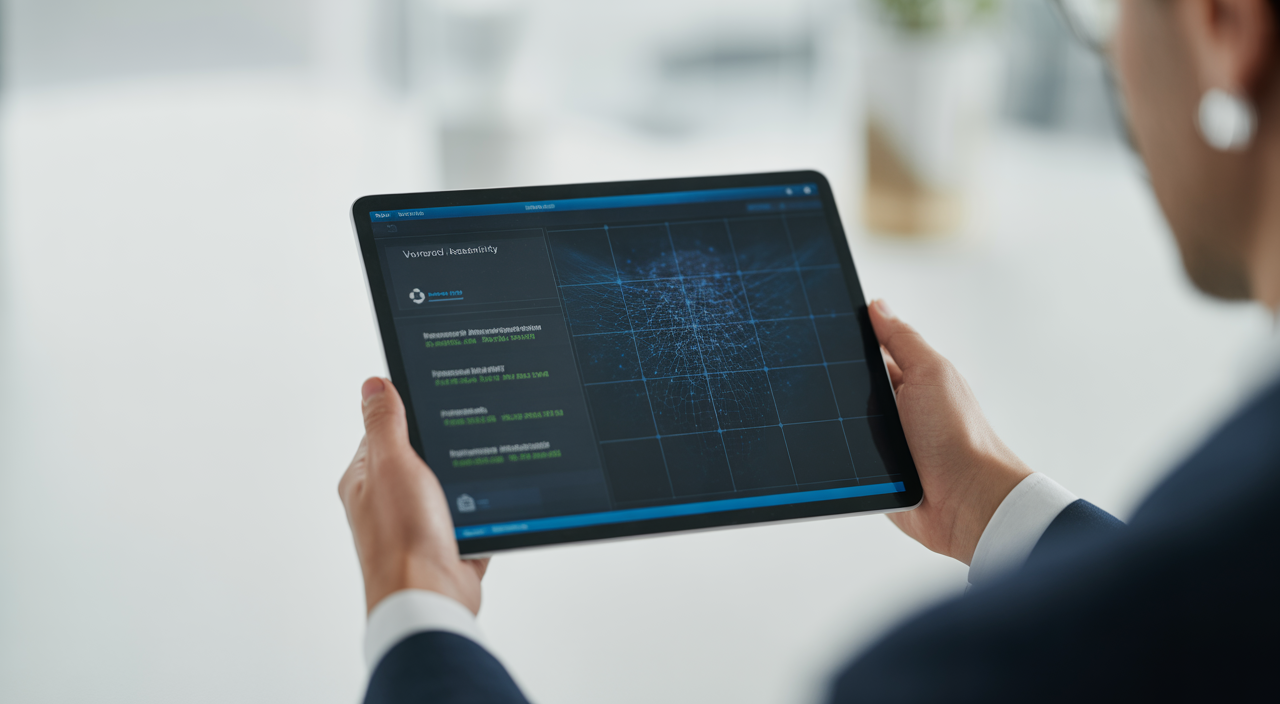
This guide walks you through what a consultant does, how pricing usually works, and how to choose the right partner for your organization.
What does a cybersecurity consultant do?
Think of a cybersecurity specialist as your organization’s security architect and coach. Their main job is to understand how your business runs, where your data lives, and how attackers might try to reach it. Then they design practical defences that fit your size, budget, and risk level.
Here are some common services they offer:
- Cybersecurity risk assessment – A detailed review of your systems, policies, and people to find weak spots.
- Network vulnerability assessment – Scanning your network, servers, and devices for gaps that attackers could exploit.
- Penetration testing services – Ethical hacking to show how a real attacker might break in and what damage they could do.
- Incident response planning – Building a clear playbook so your team knows exactly what to do if a breach occurs.
- Training & awareness – Simple, focused training so staff can spot phishing, social engineering, and risky behaviour.
Many consultants in Canada now also help with newer trends like zero trust security, cloud security consulting, and managed detection and response for 24/7 monitoring.
Canadian-specific rules and why they matter
In Canada, security is not just about technology. It is also about meeting privacy and data protection rules. The main one is PIPEDA, which covers how organizations collect, use, and protect personal information.
A strong cybersecurity advisor will help you:
- Map where personal and sensitive data is stored and who can access it.
- Align controls with PIPEDA, provincial rules, and common standards like NIST and ISO 27001.
- Set up logging and reporting so you can show regulators and insurers that you take security seriously.
Working with a local expert is helpful because they understand Canadian regulators, industry expectations, and common local threats such as ransomware campaigns targeting small and mid-sized firms.
Quick Canadian case examples
Here are simple, realistic examples of what a strong consultant in Canada can help achieve:
- Mid-size retailer – After a cyber risk assessment and email security upgrades, phishing incidents dropped sharply and the company avoided several costly outages.
- Healthcare group – By improving access controls and encryption, patient records were better protected and the organization met stricter privacy obligations.
- Logistics company – With a new incident response plan and regular testing, the firm cut recovery time from days to hours after attempted attacks.
These results are common when leadership takes security seriously and follows through on expert advice.
Five must-ask questions before you hire a consultant
Choosing the right cybersecurity partner is easier when you know what to ask. Use this checklist when you speak with potential providers.
- What certifications and experience do you have?
Look for credentials like CISSP and experience with clients similar to you in size and sector. - How do you handle reporting and communication?
You should get clear, non-technical summaries for leaders and deeper reports for IT teams. - What is your approach to PIPEDA and Canadian compliance?
They should explain how they help you align with Canadian laws and industry standards. - How do you price your services?
Ask about hourly rates, fixed-fee projects, and retainers, and what each package includes. - What support do you provide after the project ends?
Good partners offer follow-up checks, periodic reviews, or managed security options.
Typical pricing models in Canada
Pricing varies by scope, complexity, and your size, but a transparent consultant will give clear ranges early in the discussion. In general, you will see three models.
- Hourly – Best for small, focused tasks or short advisory calls. Helpful when you want feedback on plans your internal team is already building.
- Project-based – Common for defined work like a cybersecurity risk assessment, penetration test, or building an incident response plan.
- Retainer – Ideal when you want ongoing guidance, quick help during incidents, and periodic reviews.
Small and mid-sized organizations often start with a fixed-fee assessment to understand their current state. Larger enterprises may combine multiple projects with a long-term retainer for steady support and managed detection services.
How to measure the return on investment (ROI)
Security spending works best when you track clear benefits. You can measure ROI with simple, practical indicators.
- Fewer security incidents and less downtime each year.
- Faster detection and response times when issues occur.
- Improved audit results and easier conversations with insurers and regulators.
- Higher customer trust thanks to strong data protection practices.
Over time, these gains often outweigh the initial consulting cost, especially when you avoid even a single serious breach.
Simple cybersecurity readiness quiz
You can quickly judge your current readiness by asking yourself these questions:
- Do we have an up-to-date inventory of all devices, apps, and cloud services?
- Have we done a formal cybersecurity risk assessment in the last 12 months?
- Do we run regular backups and test restoring them?
- Do all staff receive security awareness training each year?
- Do we have a written, tested incident response plan?
If you answered “no” to two or more, your organization will likely benefit from guidance from a specialist. It is much easier to fix gaps in a calm, planned way than during an active incident.
How a cybersecurity consultant Canada partner can support you
When you choose the right partner, you are not just buying tools; you are gaining a long-term advisor who understands your business. A strong team can combine strategy, technical depth, and ongoing monitoring into one clear program.
They help you prioritise quick wins first, such as tightening access to critical systems, and then build towards advanced defences like zero trust models and security operations support. Over time, your people, processes, and technology all become stronger and more resilient.
If you want to dive deeper into security topics, you can also explore helpful resources like this guide on modern quick-response cybersecurity techniques, which explains how fast reaction can reduce damage. For leaders thinking about wider risk and governance, you may also like reading about the basics of an incident management system.
Stay ahead of cyber threats in Canada
Cyber risks in Canada will keep growing as more services move online and attackers become smarter. The good news is that with the right guidance, your organization can stay one step ahead. A skilled cybersecurity consultant helps you understand your risk, close gaps, train your people, and respond quickly when something happens.
Starting early means you protect your data, your customers, and your brand in a calm, confident way, without panic or guesswork.
FAQs about hiring a cybersecurity consultant in Canada
Q1: When is the right time to hire a cybersecurity consultant?
It is wise to bring in a consultant when you are planning a major change, such as moving to the cloud, adopting new software, or entering a new market. You should also consider it if you have not done a security assessment in over a year, or if clients and partners start asking for proof of strong security controls.
Q2: Can small and mid-sized businesses afford professional cybersecurity help?
Yes. Many consultants offer starter packages tailored to smaller organizations, focusing on the highest-impact steps first. By targeting the most important risks and avoiding over-complicated tools, even a modest budget can deliver strong protection and peace of mind.