Academic Editing Services: Your Essential Guide to Polished Papers & Publication Success
Do you ever feel that your brilliant ideas are hidden behind confusing sentences? Have you spent countless hours researching, only to worry if your written work truly shines? Many students and researchers face this challenge.
Even the smartest minds can struggle with presenting their thoughts perfectly. That’s where professional academic editing services come into play. They are like a secret weapon for academic success, helping your writing become clear, impactful, and ready for publication or submission.
This guide will explain what academic editing is. We will look at why it’s so important for your studies and career. We will also help you understand how to choose the right support to make your academic journey smoother and more successful.
What Exactly Are Academic Editing Services? Beyond Basic Proofreading
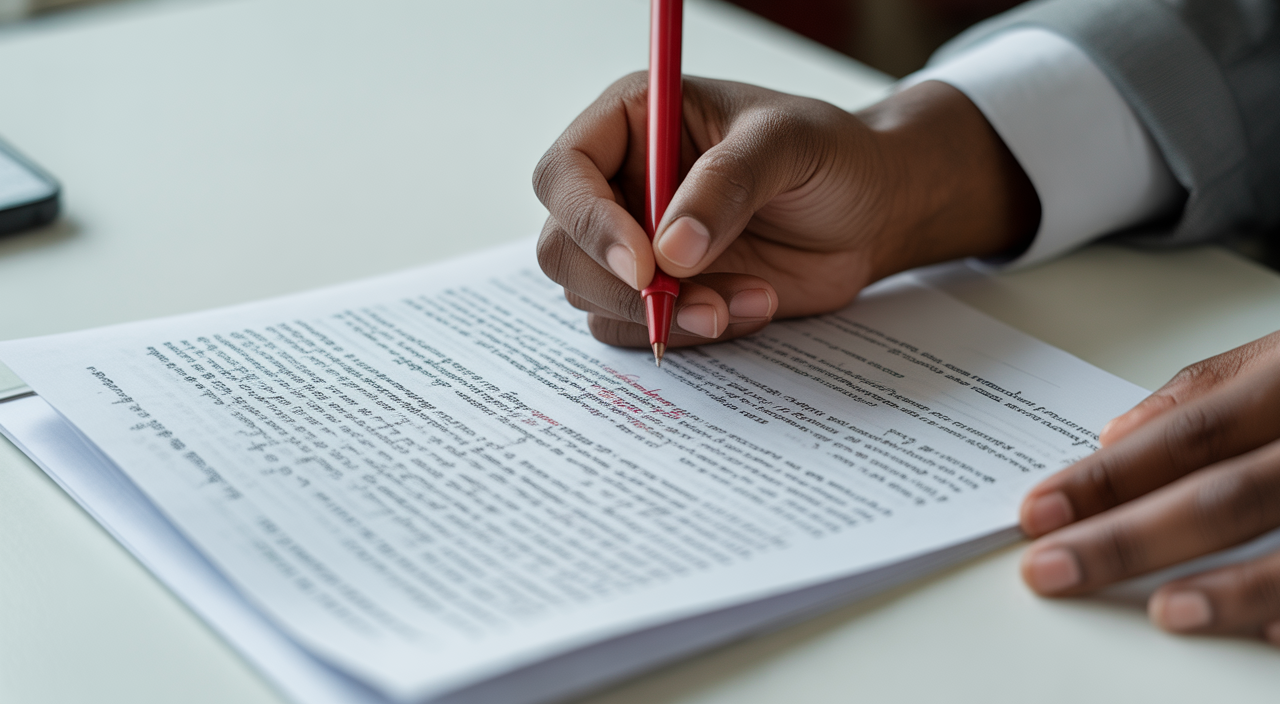
Academic editing is much more than just finding typos. It’s a detailed process that improves your writing on many levels. Think of it as refining your work so your ideas can truly stand out.
Professional editors look at grammar, spelling, and punctuation, of course. But they also check for clarity, flow, style, and tone. They make sure your paper reads professionally and meets the high standards of academic writing.
The Spectrum of Support: Proofreading vs. Copy Editing vs. Developmental Editing
Not all editing is the same. There are different levels of support, depending on what your paper needs.
- Proofreading: This is the final check. A proofreader looks for small errors. These include typos, punctuation mistakes, and formatting issues. It happens right before you submit your work.
- Copy Editing: This goes deeper. A copy editor checks grammar, syntax (sentence structure), word choice, and consistency. They make sure your writing is clear, concise, and easy to read. They also ensure it follows specific style guides like APA or MLA.
- Developmental Editing: This is the most in-depth level. A developmental editor helps with the overall structure and content of your paper. They look at your arguments, organization, and logical flow. They might suggest ways to strengthen your ideas or reorganize sections. This type of editing is very helpful early in the writing process.
Comprehensive academic editing services often combine these levels. They give you thorough support from start to finish. This ensures your final document is polished and powerful.
Why It’s More Than Just “Fixing Typos”
A good academic editor does not just fix mistakes. They enhance the meaning of your work. They help your voice come through clearly. They ensure your research has the impact it deserves. This is especially true when dealing with complex topics.
Who Benefits Most from Professional Academic Editing?
Many different people can find great value in expert editing. It helps anyone who wants their academic writing to be top-notch.
For Students (Undergraduate, Master’s, PhD)
Students face a lot of pressure. They need to get good grades and meet strict assignment rules. They also often have tight deadlines. Professional editing can help you submit papers that are clear, well-structured, and error-free. This can lead to better grades and more confidence in your writing.
For Researchers & Academics
Publishing research is tough. Journals often reject papers due to poor writing, even if the research is excellent. Academics also compete for grants. Polished writing can increase your chances of publication and grant approval. It also strengthens your academic reputation. Professional editing ensures your scholarly communication is always impactful.
Understanding what makes a good research paper is key. Sometimes, this involves knowing how to trust news sources and integrate information responsibly.
For ESL (English as a Second Language) Writers
Writing in a second language adds extra challenges. Non-native English speakers might struggle with grammar, word choice, and the specific tone of academic English. Editors specializing in ESL writing can help. They ensure your ideas are expressed naturally and professionally. This allows you to focus on your research, not on language barriers.
The Indisputable Value: Why Investing in Academic Editing is Essential for Success
Choosing to use an editor is an investment in your future. It brings many benefits that go beyond just a clean document.
Boosting Clarity and Cohesion
Complex ideas can sometimes become muddled in writing. Editors clarify your arguments. They ensure your paper flows logically from one point to the next. This makes your work much more persuasive.
Ensuring Adherence to Style Guides & Formatting (APA, MLA, Chicago, etc.)
Academic institutions and journals have very specific rules. These are called style guides. Following them perfectly can be tricky. Editors are experts in these guidelines. They make sure your paper meets every requirement, from citations to bibliography.
Minimizing Risk: Avoiding Plagiarism and Errors
Editors can help you avoid unintentional plagiarism by checking citations. They ensure your references are correct and consistent. They also catch any errors that might affect your credibility.
Saving Time and Reducing Stress
Editing your own work after spending hours writing can be exhausting. An editor takes this burden off you. This frees up your time to focus on your research or other important tasks. It also significantly reduces stress.
Enhancing Credibility and Professionalism
A well-edited paper makes a strong first impression. It shows respect for your readers and your field. This professionalism can open doors for your academic career and research impact.
How to Choose the Best Academic Editing Service: Key Factors to Consider
With so many options, how do you pick the right service? Here are some key points to help you decide.
- Editor Qualifications & Subject Matter Expertise: Look for services that have editors with advanced degrees. It’s even better if they specialize in your field of study. This ensures they understand your topic deeply.
- Turnaround Times & Deadlines: Check if the service offers turnaround times that fit your schedule. Do they offer rush options if you have an urgent deadline?
- Transparent Pricing & Cost-Effectiveness: Understand the pricing structure. Is it per word, per page, or based on the type of editing? Make sure you know what’s included.
- Client Reviews & Testimonials: Read what other clients say. Positive reviews show a track record of quality and reliability.
- Confidentiality & Security: Your work is important. Ensure the service protects your privacy and the security of your documents.
- Revision Policy & Customer Support: What happens if you need changes after the editing? Good customer support is a big plus.
When evaluating academic editing services, look for transparency and flexibility. Many services allow you to choose your own editor. This is a big advantage. You can pick an editor based on their specific qualifications, experience, and even reviews from other clients. This helps you find a perfect match for your specific field and needs.
Beyond the Basics: Trending Topics in Academic Writing & Editing
The world of academic writing is always changing. New tools and trends are emerging. It’s good to stay updated.
Navigating AI Tools in Academia: Friend or Foe?
Artificial intelligence (AI) tools like ChatGPT are becoming popular for drafting text. They can help with initial ideas. But for academic writing, human editors remain essential. They provide nuance, critical thinking, and ethical judgment that AI cannot. They ensure your work is truly original and insightful, not just grammatically correct.
The Importance of Research Impact & Dissemination
Your research has the potential to make a difference. But only if it’s clearly communicated. Excellent writing, refined by expert editing, ensures your findings reach a wider audience. This helps your work have a greater impact in your field and beyond. Learn more about making your work count by exploring the role of the UN in international relations, which often involves disseminating complex information effectively.
Conclusion: Empowering Your Academic Journey with Expert Support
Academic writing is a cornerstone of learning and research. It’s a skill that can be greatly enhanced with the right support. Professional academic editing services offer this crucial help. They ensure your hard work gets the recognition it deserves.
Don’t let writing errors hold back your academic potential. Investing in editing is investing in your success. It helps you present your best work, achieve your goals, and contribute meaningfully to your field.
Frequently Asked Questions
What types of documents can academic editing services help with?
Academic editing services can help with a wide range of documents. These include essays, research papers, journal articles, theses, dissertations, grant proposals, and even book chapters. If it’s academic, an editor can likely help.
How long does academic editing usually take?
The time it takes depends on several factors. These include the length of your document, the level of editing required (proofreading versus developmental editing), and the editor’s availability. Many services offer various turnaround times, from a few hours for proofreading to several days for a full dissertation edit.