
Vegetation Dredge: The Definitive Guide to Aquatic Plant Removal and Waterway Restoration
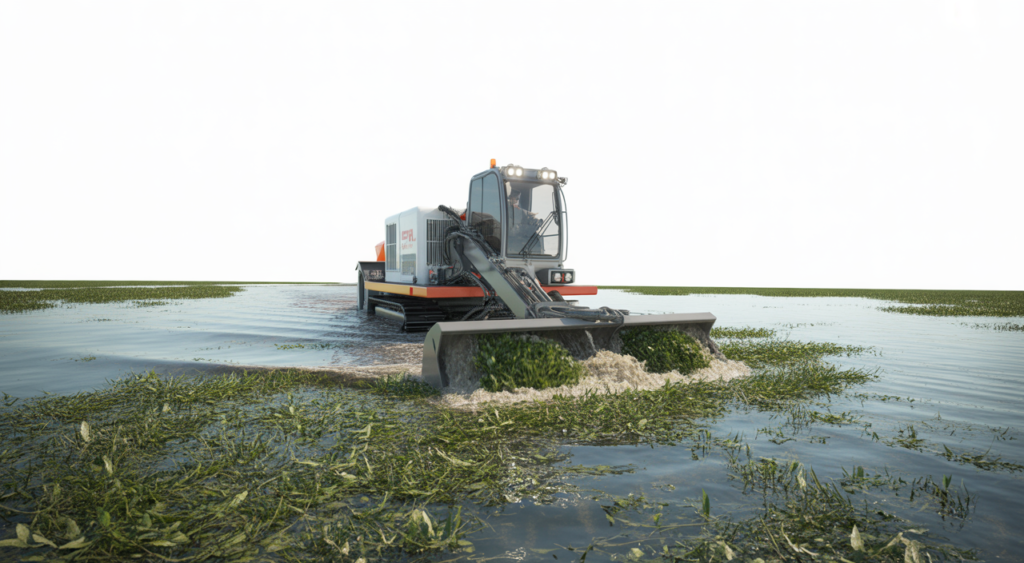
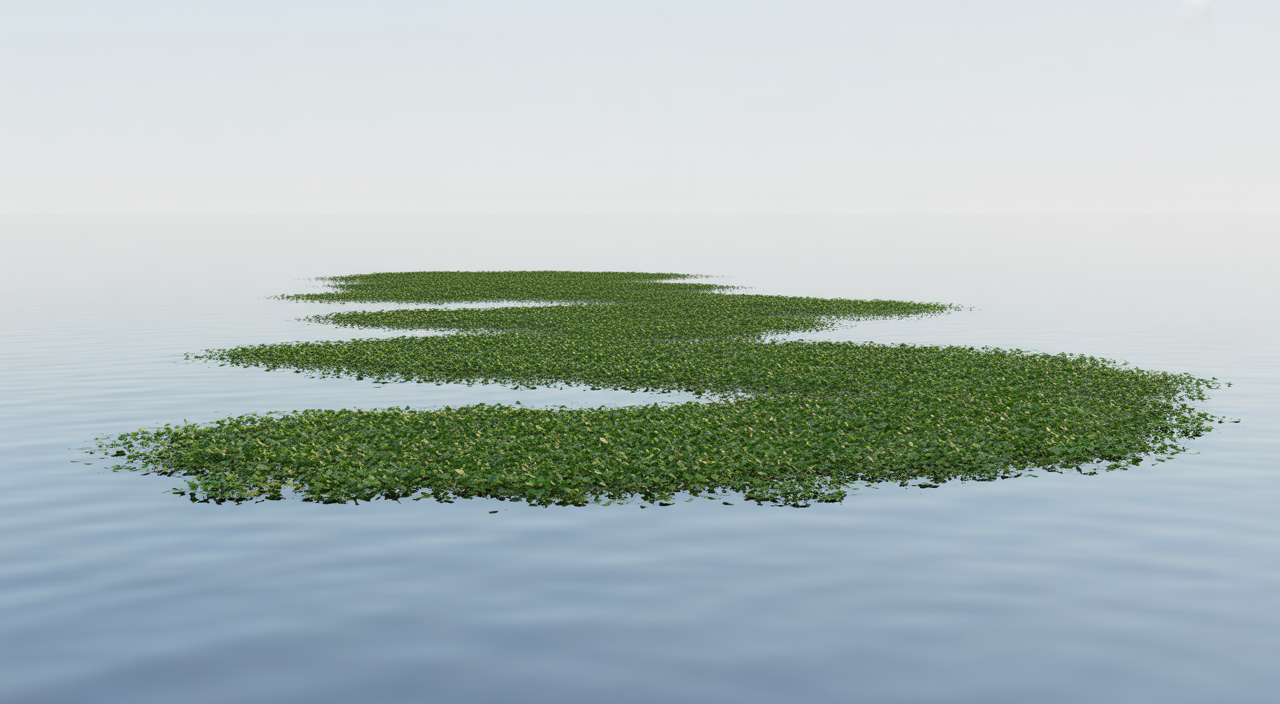
Do you look at your local lake, river, or canal and see it slowly disappearing under a blanket of green? Are dense mats of aquatic plants making navigation impossible, harming fish, or even threatening nearby structures? This problem is common in many parts of the world. Excessive aquatic vegetation can choke waterways. It disrupts ecosystems and causes serious issues for communities and industries alike. Finding a long-term, effective solution is key to restoring these vital water bodies.
One of the most powerful and lasting solutions available is vegetation dredge. This method doesn’t just cut the plants at the surface. It removes the entire plant, including its roots and the underlying organic sediment where it thrives. This offers a comprehensive way to reclaim water bodies from stubborn and invasive aquatic growth.
What Exactly is a Vegetation Dredge? Unpacking the Process
Vegetation dredging is a specialized form of dredging. It focuses on removing unwanted aquatic plants, their root systems, and the nutrient-rich sediment that helps them grow. Think of it as a deep cleaning for your waterway, going beyond just trimming the visible weeds.
It’s different from simple mechanical harvesting. Mechanical harvesters cut plants, but often leave the roots behind. This means the plants can quickly grow back. Dredging targets the source of the problem, offering a more permanent solution for managing aquatic plant overgrowth.
How it Works: The Science and Steps
The process of vegetation dredging involves several key stages:
- Initial Assessment and Planning: First, experts survey the area. They identify the types of vegetation, water depth, and the amount of sediment. This helps in creating a detailed plan. Permits and environmental considerations are also part of this vital first step.
- Dredge Deployment and Operation: Teams bring specialized dredging equipment to the site. These machines are designed to cut through dense vegetation and pump the material away. They use powerful pumps to suck up a mixture of water, plants, and sediment. They often do this through a process called hydraulic dredging.
- Material Pumping and Disposal: The removed material, known as “spoils,” is then pumped through pipelines. It travels to a designated disposal area, often a containment pond. Here, the water is separated from the solid plant and sediment material. Operators usually treat and return the water to the waterway. They then dispose of or repurpose the solid material.
This method ensures that operators remove the entire plant, including the underground parts. This greatly reduces the chances of regrowth.
Why a Vegetation Dredge is Essential: Solving Critical Problems
The benefits of effective vegetation dredging are far-reaching. It addresses many challenges posed by overgrown waterways:
- Restoring Water Flow and Navigation: Dense aquatic plants can block canals, rivers, and even boat ramps. This impedes navigation, prevents proper drainage, and can lead to flooding. Dredging clears these blockages, allowing water to flow freely and boats to pass safely.
- Combatting Invasive Species and Restoring Ecosystems: Many aquatic plants are invasive. They outcompete native species and disrupt the natural balance of the ecosystem. Removing them through dredging helps native plants and animals thrive again. This improves biodiversity and the overall health of the water body. It also boosts the hydraulic dredging equipment that helps in waterway maintenance.
- Protecting Infrastructure and Preventing Damage: Aquatic vegetation can clog intake pipes for power plants, irrigation systems, and municipal water supplies. It can also interfere with hydropower turbines or other underwater structures. Dredging removes these threats, protecting essential infrastructure from costly damage and operational inefficiencies.
- Enhancing Aesthetics and Recreation: You don’t want to swim, fish, or boat in a lake covered in thick weeds. Clearing vegetation greatly improves the visual appeal of a water body. It makes it more enjoyable for recreational activities, boosting local tourism and property values.
The Right Tools for the Job: Understanding Your Vegetation Dredge
An effective vegetation dredge is not just any dredging machine. It requires specific design features to handle fibrous, tangled aquatic plants. These machines are built for tough conditions.
Key Features of an Effective Vegetation Dredge:
- Specialized Cutterhead Design: Unlike traditional dredges for sand or mud, a vegetation dredge has a cutterhead designed to cut, chop, and untangle tough plant material. This prevents blockages and ensures continuous operation.
- Powerful Pumps for Solids Handling: The pumps on these dredges must be able to handle a high percentage of solids. This includes plant matter, roots, and sediment, without losing efficiency.
- Maneuverability: Many waterways with vegetation issues are shallow or have limited access. An effective vegetation dredge needs to be highly maneuverable. It should operate in various water depths and tight spaces.
- Environmental Considerations: Modern dredges are designed to minimize environmental impact. This includes features that reduce turbidity (cloudiness in the water) and allow for precise removal, protecting non-target areas.
Such advanced solutions are engineered to tackle even the toughest aquatic plant challenges. They provide efficient and environmentally responsible removal of dense vegetation.
Vegetation Dredge vs. Alternatives: When Dredging is Best
While several methods exist for aquatic plant control, each has its advantages and limitations. Understanding these differences helps you choose the best solution.
- Mechanical Harvesting: This method involves machines that cut and collect plants from the surface.
- Pros: Provides immediate visual improvement. No chemicals are involved.
- Cons: Only removes the visible parts. Roots remain, leading to quick regrowth. Can be limited by water depth.
- Chemical Treatment: Herbicides are applied to kill aquatic plants.
- Pros: Can be fast and effective for large areas.
- Cons: Environmental concerns about chemical use. Requires permits. Can harm non-target species. Often a temporary solution as roots can survive.
- Biological Control: Introducing natural enemies (like certain fish or insects) to control plant growth.
- Pros: Natural and long-term. Minimal environmental disruption.
- Cons: Slow to show results. Can be unpredictable. Not suitable for all plant types or immediate crises.
- Manual Removal: People physically remove plants by hand or with simple tools.
- Pros: Precise and low-tech. No heavy machinery needed.
- Cons: Very labor-intensive and costly for large areas. Limited scope and effectiveness for dense, widespread growth.
For comprehensive, long-term removal of established or widespread vegetation, dredging is often the superior choice. It addresses the root cause of the problem, literally. It also removes the nutrient-rich sediment that fuels plant growth, providing a more lasting solution for aquatic plant management. You can learn more about general canal dredging equipment to see other applications.
Environmental Considerations for Your Vegetation Dredge and Best Practices
Environmental stewardship is a critical part of any dredging project. Responsible vegetation dredging prioritizes minimizing impact on the surrounding ecosystem. This ensures the restoration work is truly beneficial.
- Minimizing Impact: Modern dredging techniques and equipment are designed to control turbidity. This means less disturbance to the water column. Careful planning also ensures that non-target aquatic life is protected during operations.
- Responsible Spoil Management: The removed plant material and sediment need to be handled properly. This often involves dewatering facilities. The goal is to dry out the material so it can be safely disposed of or even repurposed. Sometimes it can be used for landscaping or agricultural soil enrichment.
- Regulatory Compliance: All vegetation dredging projects must adhere to local, national, and international environmental regulations. This often involves extensive permitting processes and environmental impact assessments. These steps ensure that the dredging is conducted safely and sustainably.
Real-World Impact: Case Studies and Applications
Vegetation dredging has successfully transformed countless water bodies around the globe. It has cleared clogged irrigation canals, brought recreational lakes back to life, and restored critical habitats in rivers. From improving water flow for agriculture in India, where clogged irrigation canals once hindered crop yields, to clearing navigation channels in the Americas that restored vital shipping routes, the impact is tangible. These projects demonstrate how targeted dredging can achieve significant ecological and economic benefits.
Frequently Asked Questions (FAQs) about Vegetation Dredging
Q1: How long does a typical vegetation dredging project take?
The duration varies greatly. It depends on the size of the water body, the density and type of vegetation, and the volume of material to be removed. Small projects might take weeks, while larger lake restorations could span several months.
Q2: What happens to the dredged plant material and sediment?
The removed material (spoils) is usually pumped to a dewatering site. Here, water drains away, and the solid material is left. This solid material is then either disposed of according to environmental regulations or, if suitable, repurposed for beneficial uses like soil amendment or landfill cover.
Conclusion: A Clear Path to Healthy Waterways
The silent takeover of aquatic vegetation can seem overwhelming. However, solutions like vegetation dredging offer a powerful way to reclaim and restore our vital water resources. By removing plants, their roots, and the nutrient-rich sediment, this method provides a lasting fix. It brings back clear waters, healthy ecosystems, and usable waterways for everyone. It’s an investment in the long-term health and functionality of our planet’s precious water bodies.