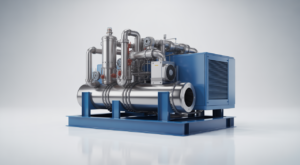
Automated Dredge: The Future of Efficient Sediment Removal
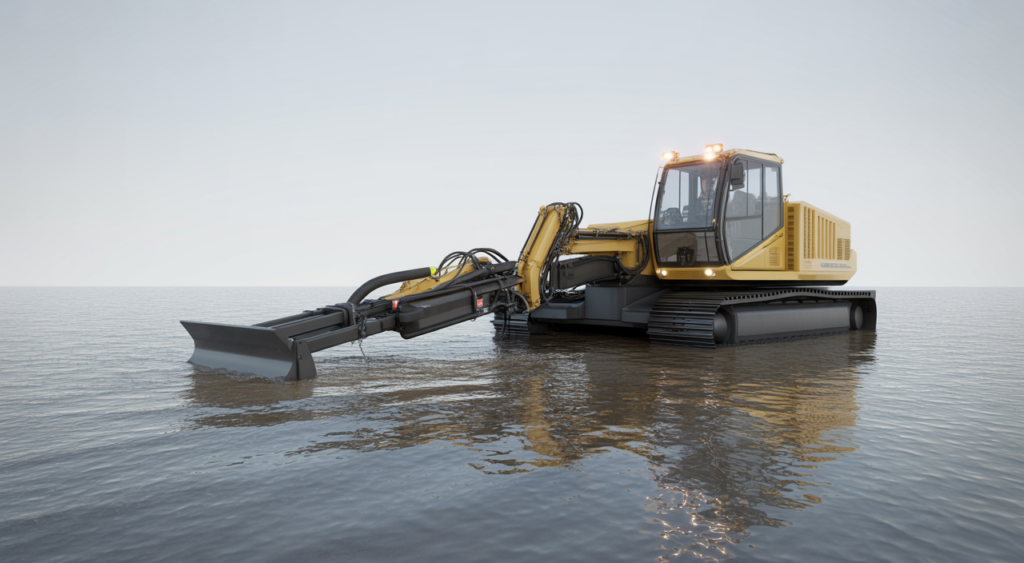
Imagine a world where waterways are efficiently maintained, environmental damage is minimized, and costs are significantly reduced. This is the promise of automated dredge technology. As climate change and infrastructure demands increase, the need for effective dredging solutions becomes ever more critical.
Dredging, the process of removing sediment and debris from bodies of water, is essential for navigation, flood control, and environmental restoration. Traditional dredging methods, however, can be costly, time-consuming, and environmentally disruptive.
An automated dredge offers a revolutionary alternative, providing increased efficiency, reduced operational costs, and improved safety. Let’s explore how this technology is reshaping the landscape of waterway maintenance. Thinking about expanding your knowledge? Learn more about canal dredging equipment.
What is an Automated Dredge?
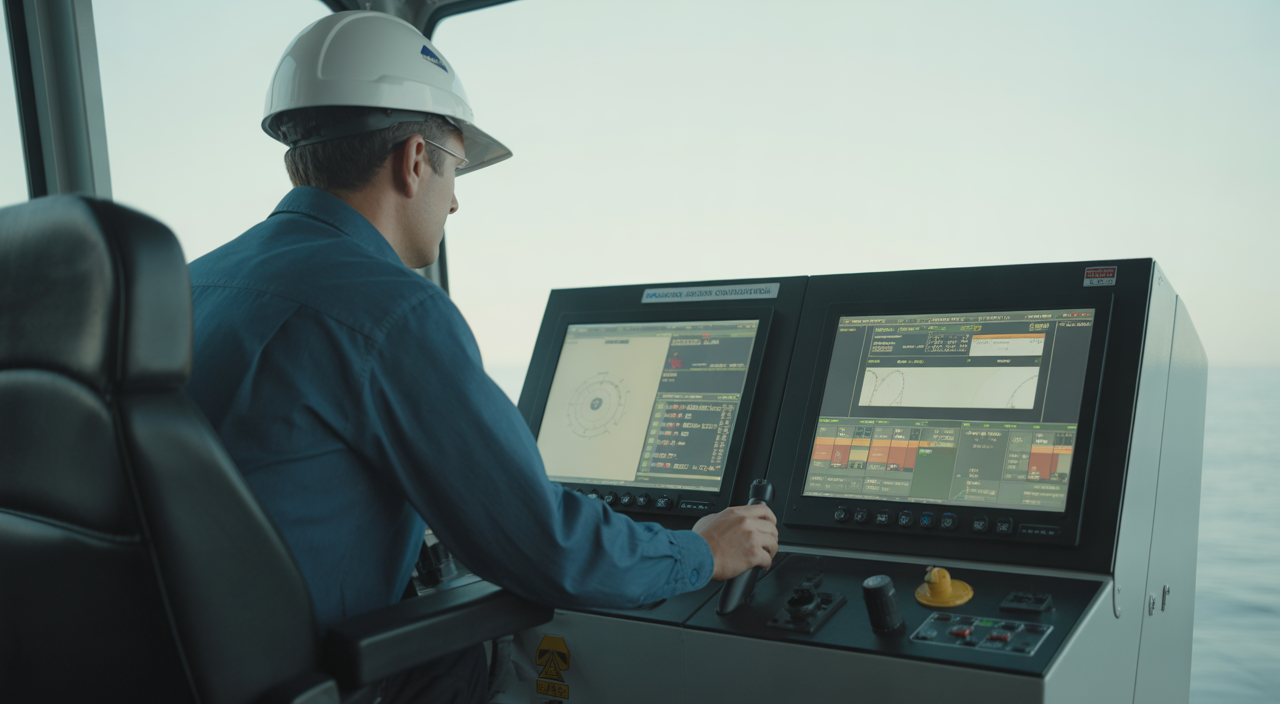
An automated dredge involves using advanced technologies to perform dredging operations with minimal human intervention. This includes remote-controlled dredges, semi-autonomous systems, and fully autonomous vessels. These systems utilize sensors, GPS, and sophisticated software to navigate and remove sediment with precision.
- Remote-controlled dredges: Operated by a human from a remote location.
- Semi-autonomous systems: Perform some tasks automatically, but require human oversight.
- Fully autonomous vessels: Operate independently, using pre-programmed instructions and real-time data.
Benefits of an Automated Dredge
An automated dredge offers numerous advantages over traditional methods. These benefits extend to efficiency, cost, safety, and environmental impact.
Increased Efficiency and Productivity
With real-time monitoring and predictive maintenance, automated systems experience reduced downtime. GPS guidance and automated route planning ensure optimized dredging paths, leading to higher material removal rates. This all adds up to improved efficiency.
Reduced Costs
Automated systems require fewer operators, resulting in lower labor costs. Efficient engine performance optimizes fuel consumption. The precision of automated dredging also minimizes environmental impact, further reducing costs associated with remediation. Considering an automated dredge for your next project can lead to significant long-term savings.
Enhanced Safety
Remote operation removes workers from hazardous environments. Automated safety features, such as collision avoidance and emergency shutdown systems, provide an extra layer of protection. Real-time data and remote diagnostics improve overall monitoring and control.
Environmental Sustainability
Precision material removal minimizes disturbance and reduces turbidity. Targeted sediment removal focuses on contaminated areas, limiting the impact on surrounding ecosystems. Furthermore, fuel-efficient operation and reduced emissions contribute to a lower carbon footprint. The core of every automated dredge system focuses on minimizing environmental impact.
Applications of Automated Dredging
Automated dredging applies across a wide range of industries and environments. From environmental remediation to port maintenance, its versatility makes it an invaluable tool.
- Environmental Remediation: Removing contaminated sediment and restoring habitats.
- Port and Harbor Maintenance: Maintaining navigation channels and berths.
- Mining and Resource Extraction: Sand, gravel, and mineral recovery.
- Inland Waterway Management: Flood control and irrigation canal maintenance.
- Coastal Protection: Beach nourishment and coastal erosion control.
Challenges and Considerations
While an automated dredge offers significant benefits, it’s essential to be aware of the challenges and considerations involved.
Initial investment costs can be higher compared to traditional methods. It requires skilled operators and maintenance personnel with specialized technical expertise. Compliance with permitting and environmental regulations is crucial, and it’s crucial to address security concerns, such as cybersecurity risks. Overcoming resistance to change and increasing awareness are also important factors.
The Future of the Automated Dredge
The future of the automated dredge is bright, with continuous advancements in technology and expanding applications.
Expect to see increased integration of AI and machine learning for predictive maintenance and adaptive dredging. The Internet of Things (IoT) and big data will enable real-time monitoring and data-driven decision-making. Fully autonomous dredging systems, capable of unmanned operation, are also on the horizon. These technologies will extend the reach of dredging into deep-sea mining and even space exploration.
FAQs about Automated Dredging
Here are some frequently asked questions about automated dredging to help you understand the technology better:
What are the key differences between automated and traditional dredging?
Automated dredging uses technology to minimize human intervention, improving efficiency and safety. Traditional dredging relies more on manual labor, which can be less precise and more hazardous.
How does automated dredging contribute to environmental sustainability?
By using precise material removal and reducing turbidity, automated dredging minimizes disturbance to aquatic ecosystems. This targeted approach helps preserve the environment.
An automated dredge will revolutionize the way we manage and maintain our waterways. By embracing this innovation, we can achieve greater efficiency, sustainability, and safety in sediment removal.